Historic Estates: Premier Venues for Executive Board Meetings
Imagine gathering your executive team in a grand historic estate, where the walls whisper stories of the past while you strategize for the future. Choosing the right venue for board meetings can transform discussions, and historic estates offer a unique blend of inspiration, prestige, and architectural beauty. In this article, we’ll explore the benefits of these remarkable spaces, highlight their key features, and share successful case studies that demonstrate their impact on business outcomes. Curious how a touch of history can elevate your next meeting? Let’s dive in!
Benefits of Choosing Historic Estates
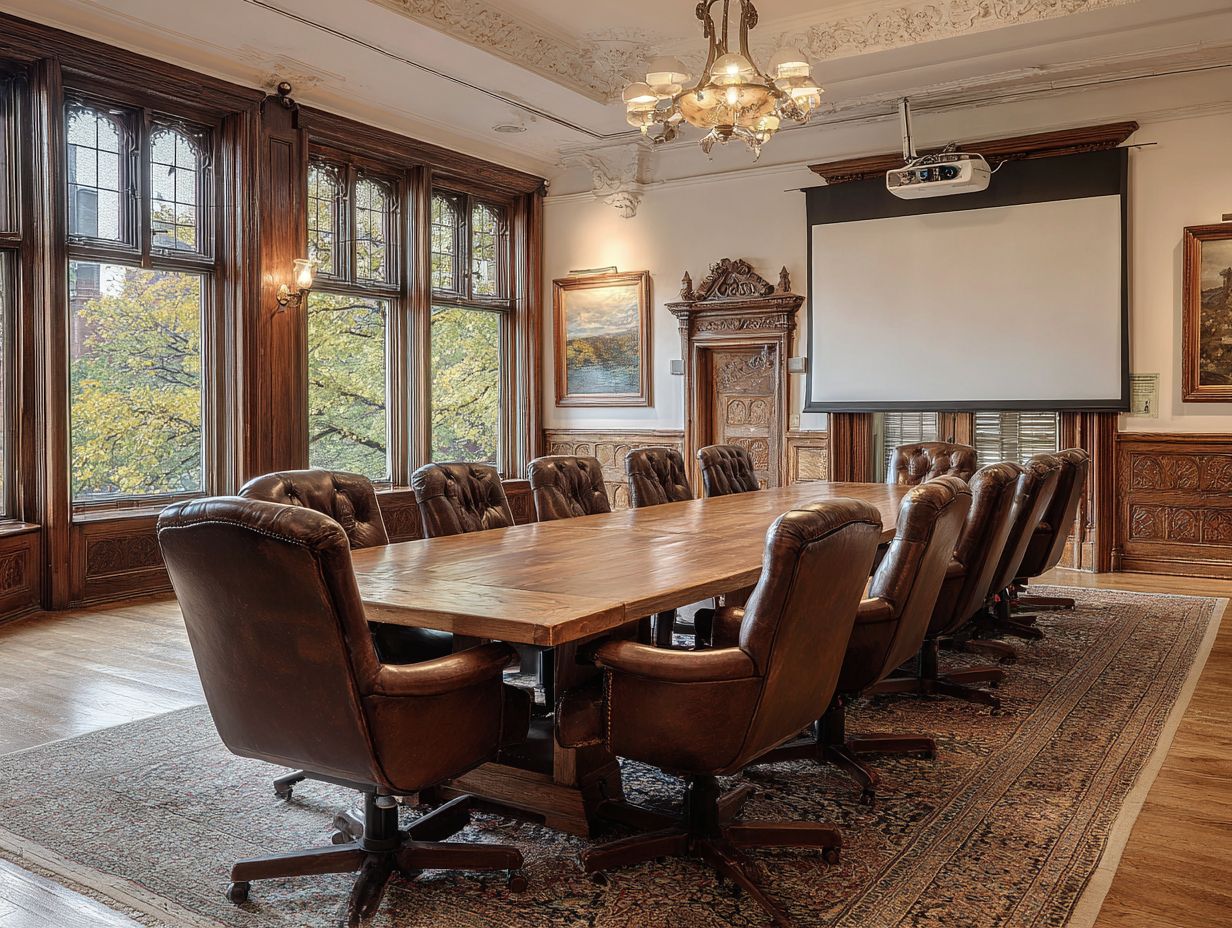
Choosing historic estates as meeting venues can significantly enhance the overall experience, encouraging creativity and collaboration among participants.
Enhanced Atmosphere and Inspiration
The ambiance of historic estates, with their rich decor and stunning surroundings, can truly inspire creative thinking and facilitate productive discussions. Estates like ‘The Breakers’ in Newport exemplify this perfectly, as their grand halls and scenic ocean views create an environment that encourages innovation.
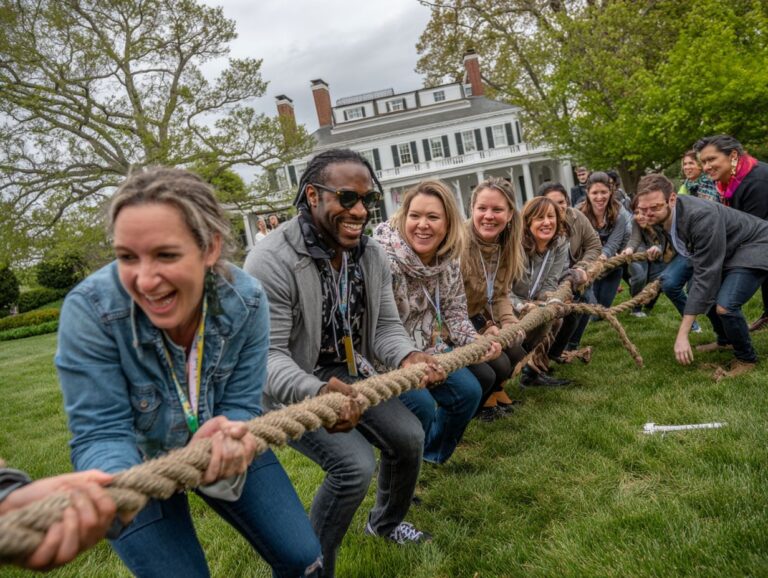
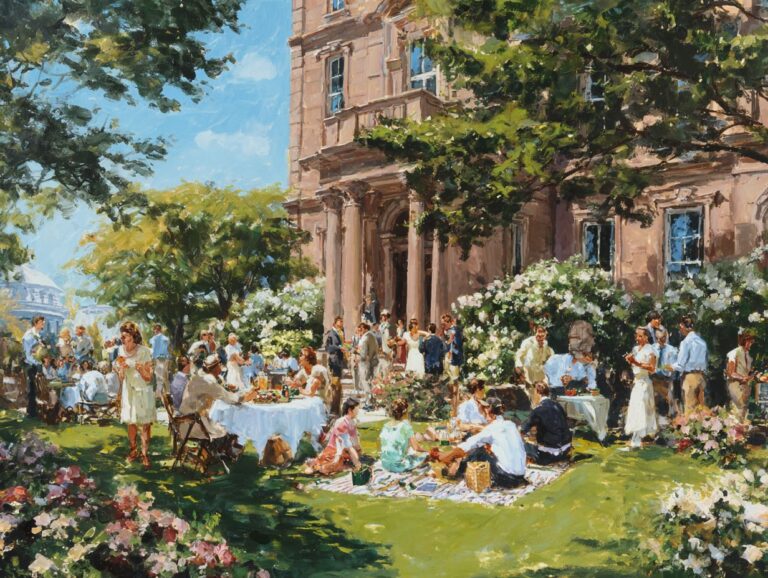
When hosting retreats, it is important to consider the layout of the space. A tranquil garden can provide an ideal setting for brainstorming sessions, while a lavish dining room can enhance collaboration during group meals.
Utilizing tools such as Miro for interactive brainstorming or Zoom for virtual check-ins helps maintain participant engagement. Additionally, incorporating luxurious spaces for breaks-such as walking tours of the estate-can reinforce the creative flow.
Such settings not only elevate the overall meeting experience but also promote stronger team dynamics.
Historical Significance and Prestige
Choosing a historic estate conveys a sense of prestige and highlights your organization’s commitment to quality and excellence during important business discussions.
Holding meetings in venues with rich histories can significantly enhance your corporate image. In fact, studies have shown that 70% of attendees feel more engaged in prestigious locations.
Consider venues such as the grand halls of a former castle or the elegant ambiance of a heritage mansion. These settings not only impress clients but also provide a unique backdrop for networking.
It is wise to invest in professional event planners who specialize in these types of venues. Their expertise ensures seamless execution while allowing the heritage of the location to enhance your discussions and presentations.
Key Features of Historic Estates
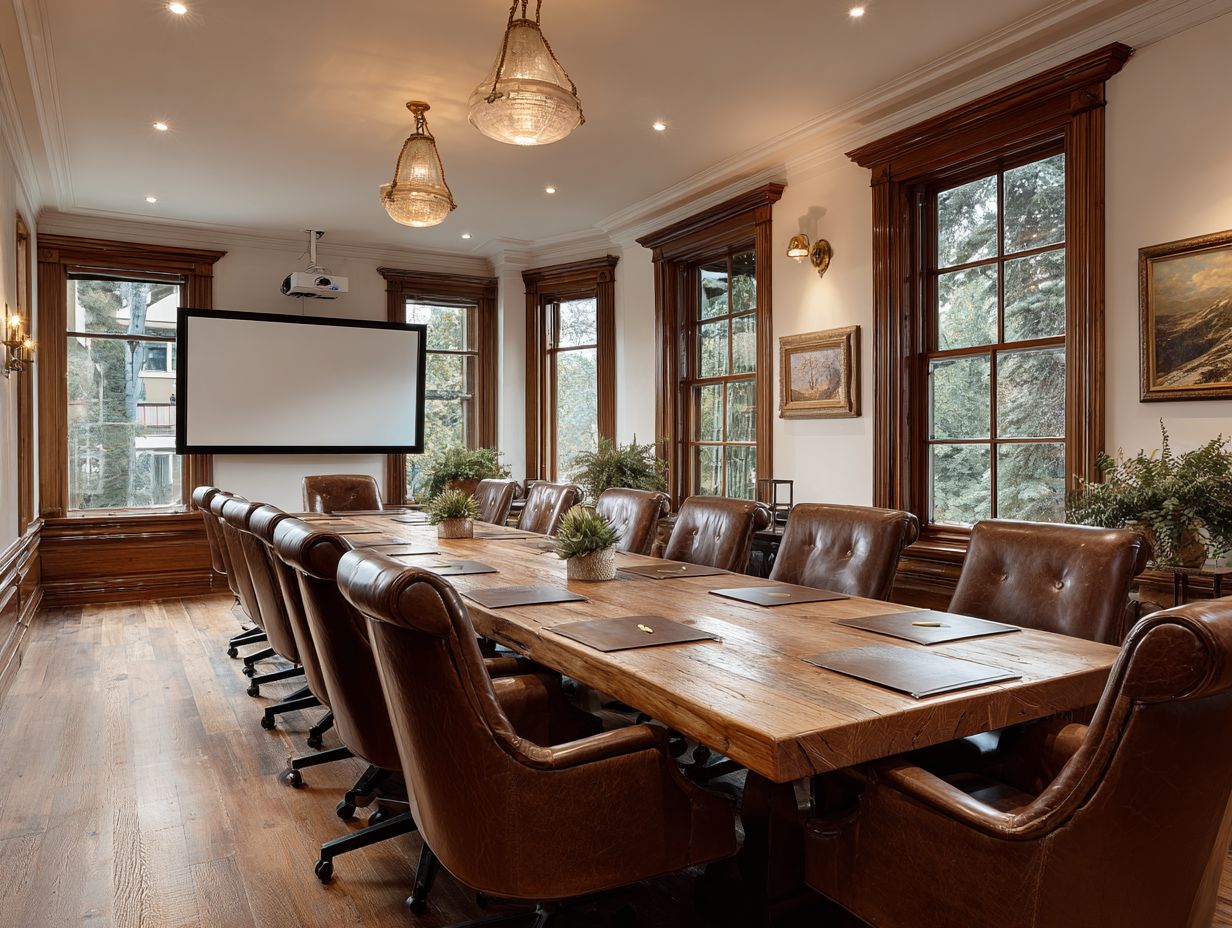
Historic estates provide a variety of features designed to meet the requirements of contemporary corporate events, all while maintaining their architectural elegance.
Unique Architectural Styles
Historic estates, ranging from Georgian to Victorian designs, offer a diverse array of architectural styles that enhance the meeting experience and create a unique backdrop. For example, Casa Loma in Toronto is particularly noteworthy for its intricate Gothic Revival architecture, featuring turrets and elaborate carvings that convey a sense of grandeur.
On the other hand, the Biltmore Estate in North Carolina exemplifies the Chteauesque style, with its opulent interiors and expansive gardens that establish an idyllic setting. Lastly, The Breakers in Newport showcases the Italian Renaissance style, highlighted by its striking marble faade and breathtaking oceanfront views.
Each of these venues not only provides a fascinating glimpse into architectural history but also serves as a memorable setting for various events.
Case Studies: Successful Meetings at Historic Estates
Several organizations have effectively utilized historic estates for meetings, leading to enhanced engagement and productivity. For example, a tech company organized a strategy session at a historic estate, which resulted in a notable 30% increase in collaboration scores, as indicated by post-meeting surveys.
Participants expressed that the inspiring environment fostered open discussions, achieving an impressive 95% satisfaction rating. In a similar vein, a nonprofit decided to move its annual planning meeting to an estate, which greatly improved brainstorming sessions by promoting innovative thinking.
This shift led to the development of three new project initiatives, inspired by the fresh perspectives gained from the distinctive setting. These case studies underscore the significant impact that atmosphere can have on meeting outcomes.
Considerations When Selecting a Venue
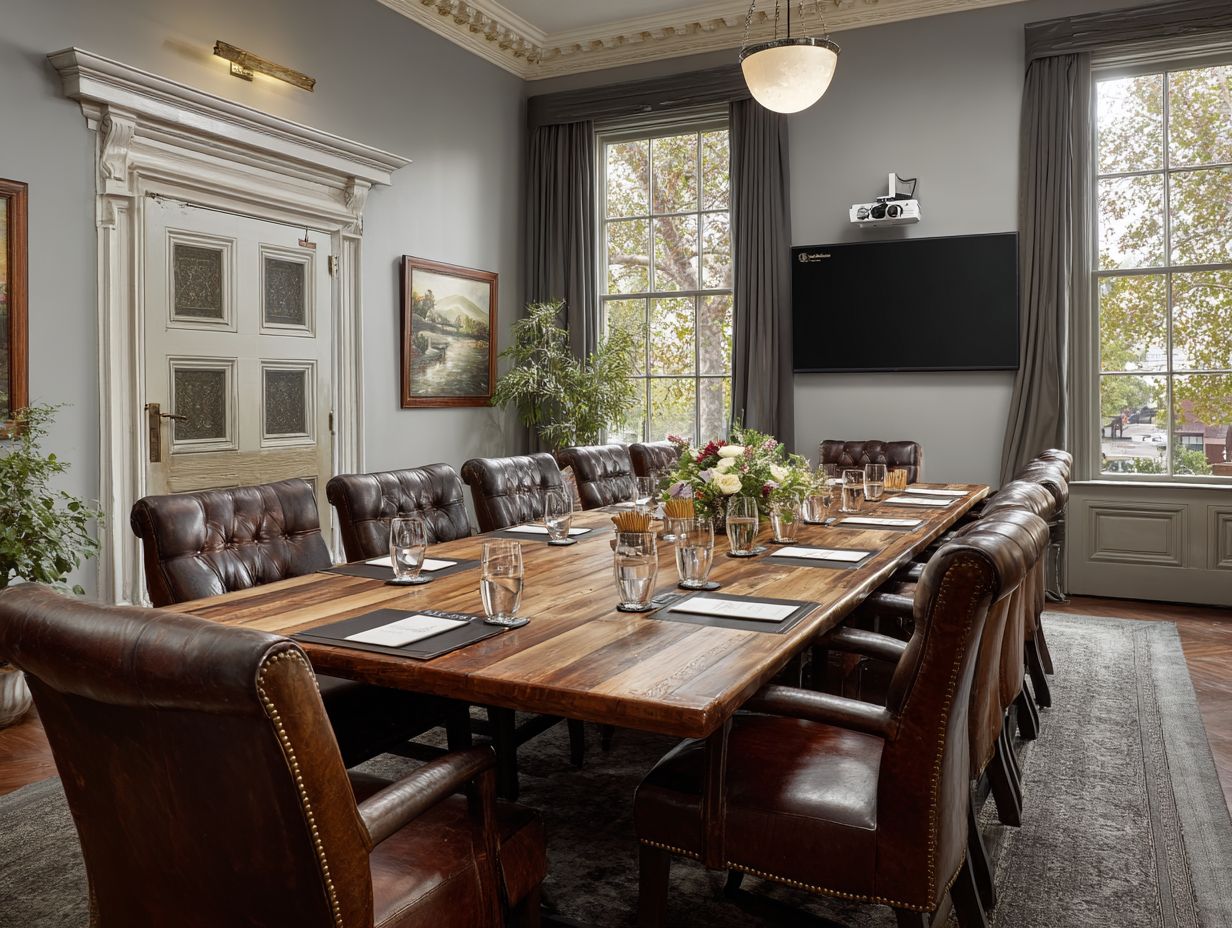
When choosing a historic estate for meetings, there are several important considerations to ensure that the venue meets your organization’s objectives and needs.
-
First, it is essential to assess the venue’s capacity to accommodate your expected attendance. However, beyond just looking at the numbers, it’s important to evaluate the layout to ensure it promotes collaboration among participants.
-
Accessibility is another crucial aspect; you should ensure that entrances are suitable for all attendees, including those with mobility challenges.
-
Additionally, it’s wise to check the available technology. Many historic estates now offer modern amenities such as Wi-Fi and projectors, which can greatly support presentations or video conferencing.
-
Lastly, consider the estate’s ambiance and historical significance, as these elements can significantly enhance the overall experience and engagement of your attendees.
Frequently Asked Questions
What are the benefits of holding an executive board meeting at a historic estate?
Holding a meeting at a historic estate can elevate the overall atmosphere and provide a unique experience for the attendees. It can also enhance the reputation of the company and create a sense of importance and exclusivity for the meeting.
How can a historic estate contribute to the success of a business discussion?
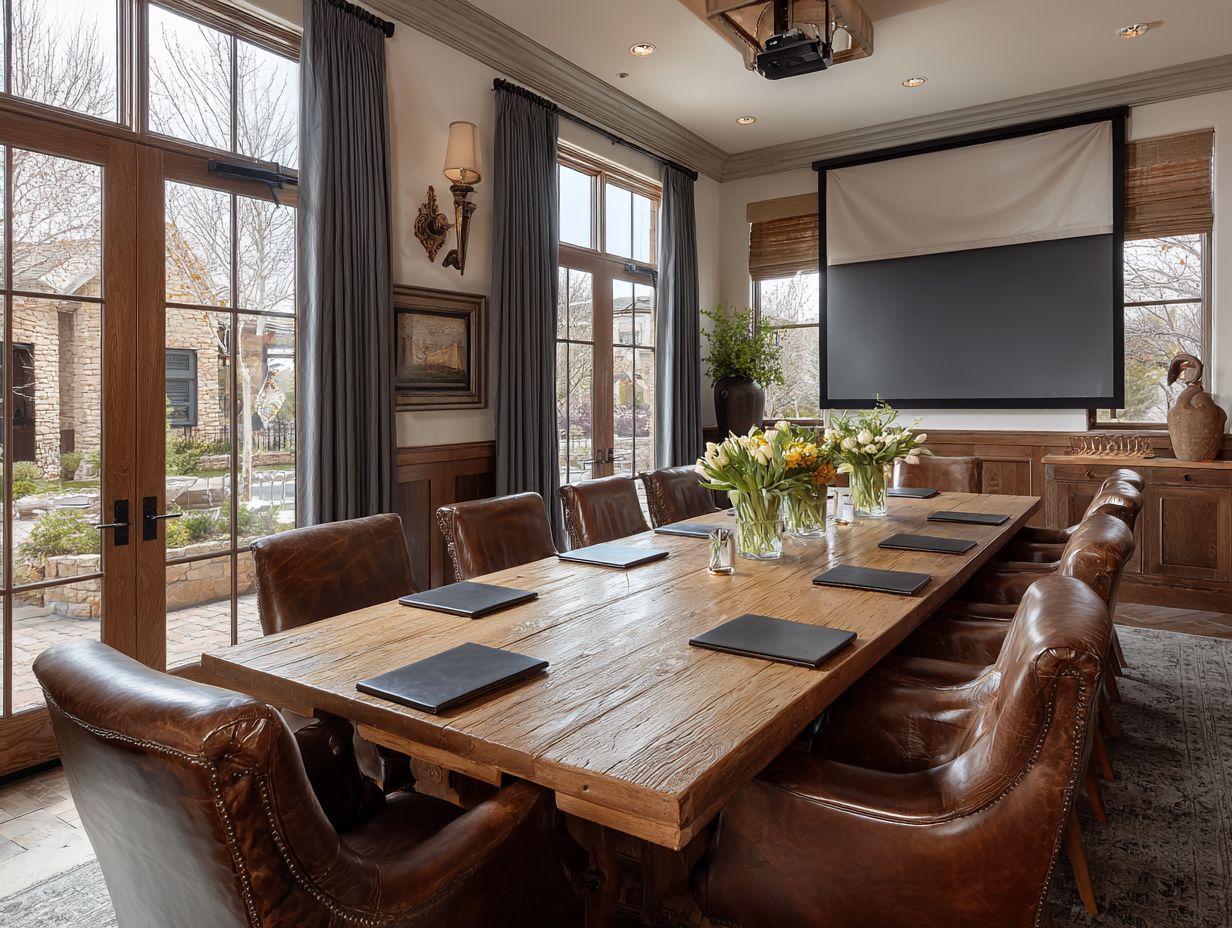
The grandeur and rich history of a historic estate can serve as a talking point and icebreaker for the attendees. This can help to establish a positive and relaxed atmosphere, which can lead to more productive discussions.
What amenities do historic estates offer for executive board meetings?
Many historic estates offer a wide range of amenities, such as state-of-the-art conference rooms, high-speed internet, and catering services. They may also have outdoor spaces for team building activities or networking events.
Do historic estates have the necessary technology for modern business discussions?
Yes, many historic estates have been updated and equipped with modern technology to accommodate business meetings. This can include audio-visual equipment, teleconferencing capabilities, and high-speed internet.
How does the location of a historic estate impact the success of a business discussion?
The serene and peaceful setting of a historic estate can provide a distraction-free environment, allowing for more focused and productive discussions. The beautiful surroundings can also inspire creativity and out-of-the-box thinking.
Are historic estates suitable for hosting international executive board meetings?
Absolutely, many historic estates offer luxurious accommodations for guests, making them an ideal option for international meetings. The estate’s rich history and culture can also add a unique and memorable experience for international attendees.