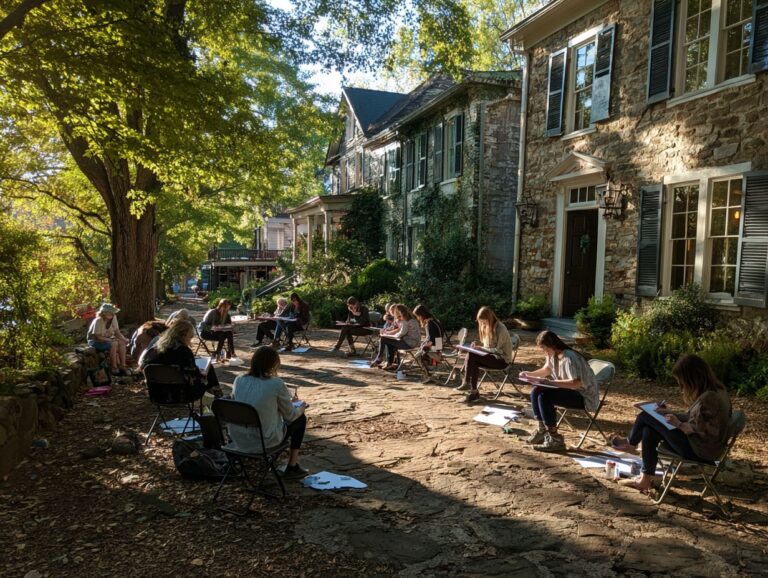
Effective Team Building Events: Activities for Historic Estates
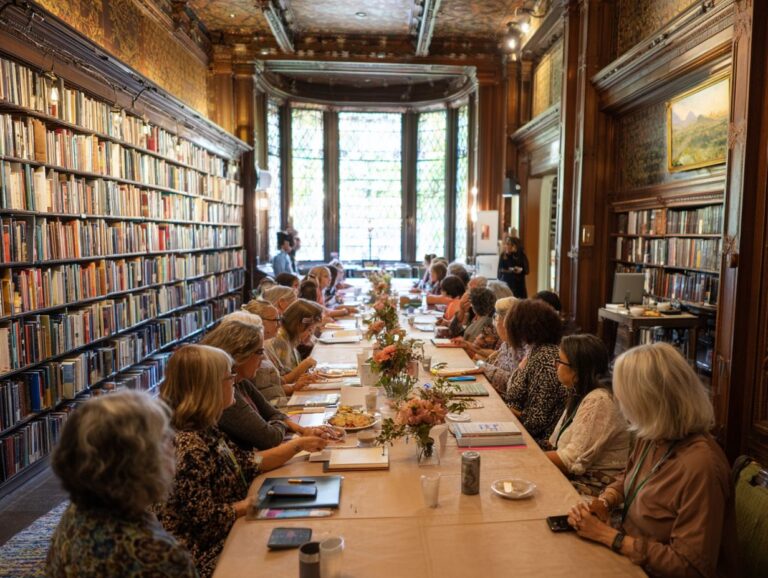
Picture this: your team, laughing and strategizing under the majestic arches of a historic estate, all while strengthening bonds that translate back to the office. Team building in such unique settings is not just fun; it’s effective! Dive into the benefits of improved communication and collaboration, explore exciting activities tailored for these venues, and learn how to plan an unforgettable event. Let’s uncover how to transform teamwork into a memorable experience!
Benefits of Team Building Events
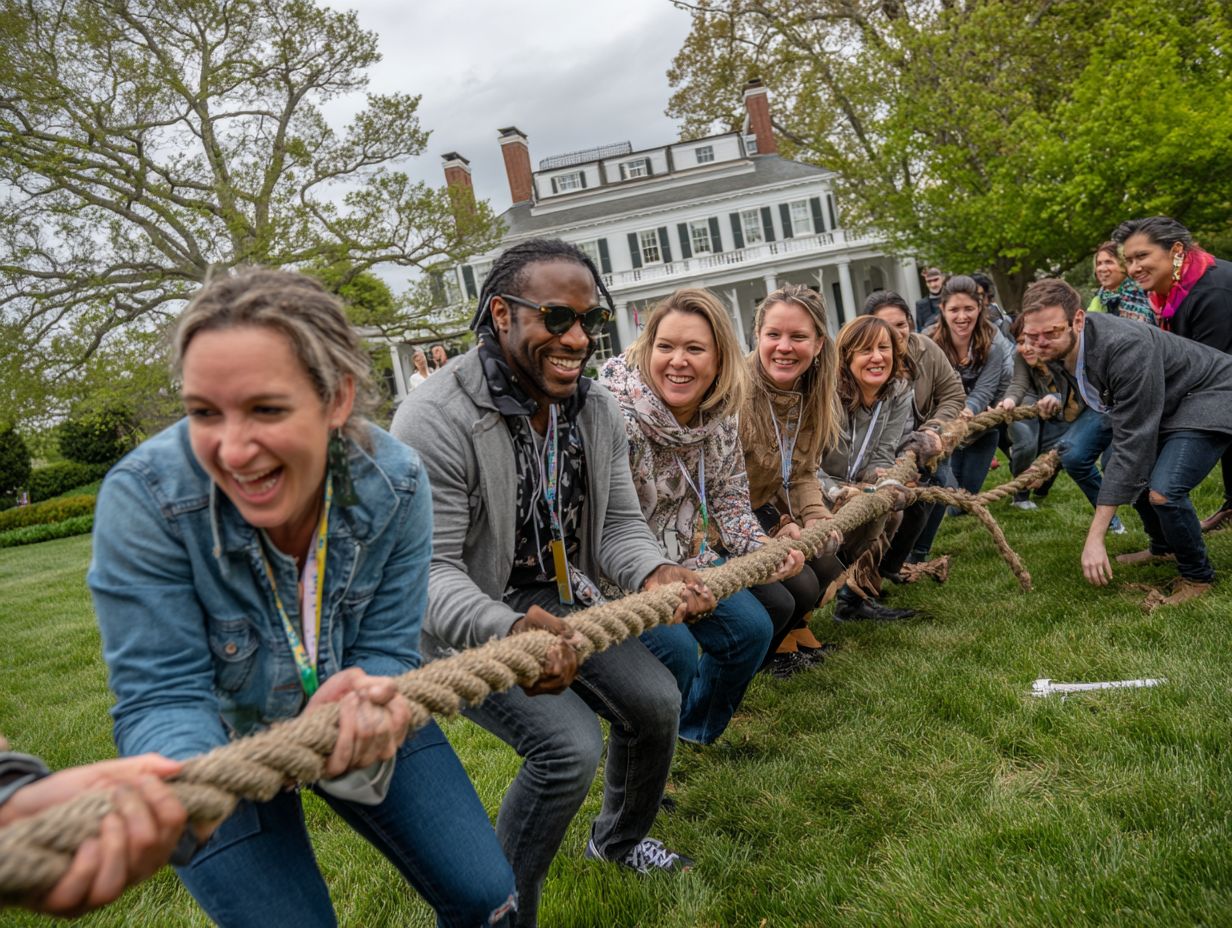
Participating in team-building events can significantly enhance employee morale and cohesion.
Research indicates that there is a notable 25% increase in collaboration among team members following such events.
Improved Communication
Team building activities aimed at enhancing communication can result in a notable 30% improvement in team interactions, as demonstrated by organizations that conduct focused workshops.
One effective approach is to incorporate role-playing exercises, where team members simulate real-life scenarios. For example, participants can act out customer service calls to enhance their listening skills.
Additionally, structuring feedback sessions to promote open dialogue can be beneficial. Allowing time for reflection during these sessions can help clarify any misunderstandings. Utilizing tools like virtual whiteboards can also facilitate brainstorming, making visual communication easier and more effective.
By regularly implementing these activities, organizations can cultivate a more cohesive team atmosphere and encourage a culture of constructive feedback.
Enhanced Collaboration
Implementing team challenges during events can significantly enhance collaborative skills, with participants experiencing a 40% increase in teamwork effectiveness when working towards shared objectives.
Engaging in strategy games, such as ‘Escape Rooms’ or ‘Capture the Flag,’ proves to be an effective method as these activities necessitate critical thinking and strong communication. Organizations have reported a 30% improvement in problem-solving capabilities among teams that regularly take part in these types of activities.
Workshops that focus on real-world problem-solving scenarios can further solidify these skills and foster a culture of collaboration. For example, utilizing tools like Miro for brainstorming during these sessions can help streamline ideas and align team members towards common goals.
Additionally, tracking metrics after these events is crucial as it helps quantify improvements, ensuring that teams remain focused on their growth.
Types of Activities for Historic Estate Venues
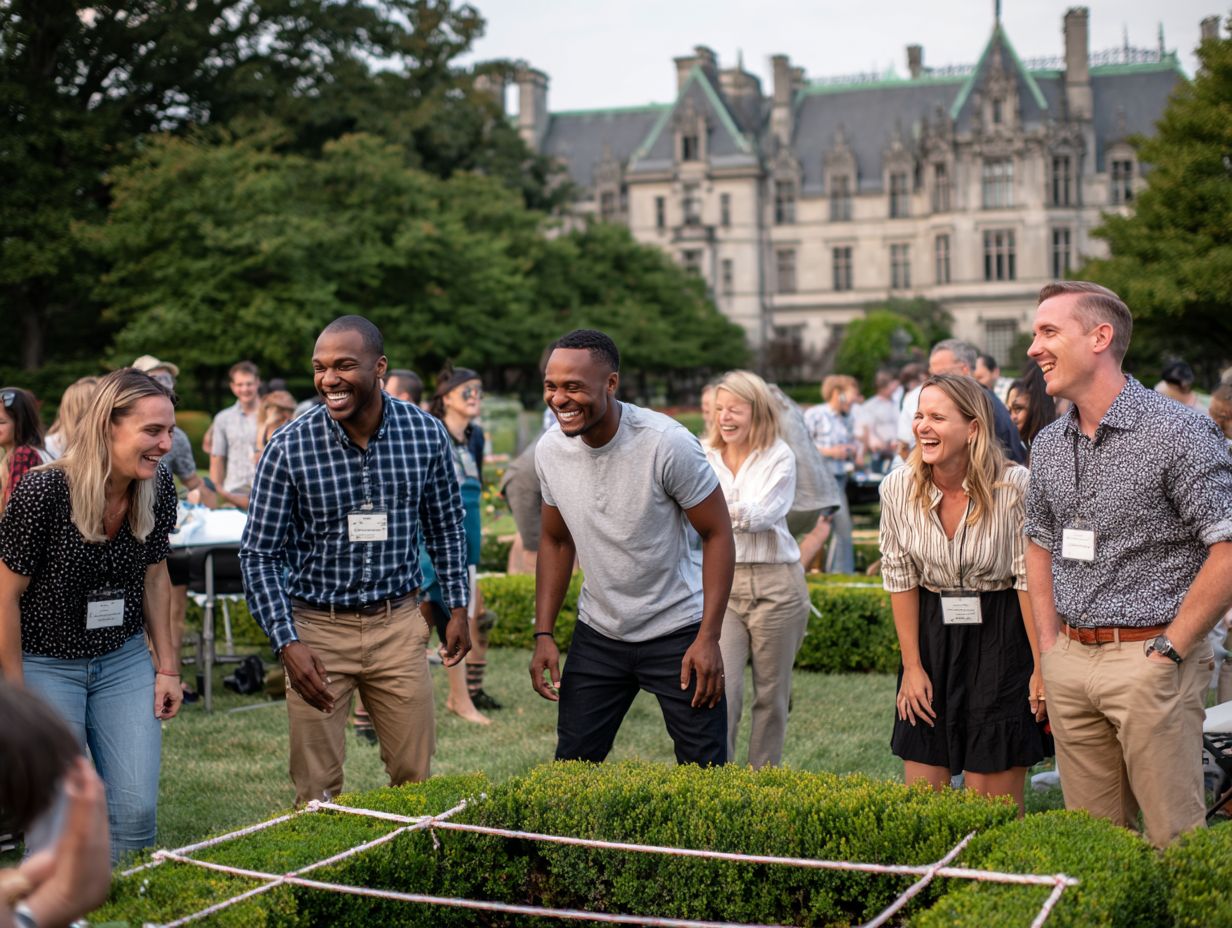
Historic estate venues offer a flexible setting for a range of engaging activities that can address various team-building objectives.
Outdoor Challenges
Outdoor challenges, such as scavenger hunts and physical team activities, are excellent ways to foster teamwork and enhance problem-solving skills while providing an opportunity for teams to bond in a natural environment.
These activities can be organized at historic estates, offering a distinctive and engaging backdrop. For instance, a scavenger hunt can be designed to last 2-3 hours, encouraging teams to explore the grounds as they work to solve various clues.
It is advisable to bring along simple materials, such as printed maps and clue cards, to facilitate the experience.
Physical challenges, including relay races or obstacle courses, can be tailored to fit the available space and can generally be completed in about one hour.
Successful events at venues like the Biltmore Estate have garnered positive feedback, particularly in terms of enhancing communication and camaraderie among participants.
Indoor Workshops
Indoor workshops held at historic estates can effectively address essential team skills, such as communication and conflict resolution, often resulting in high engagement and retention rates among participants.
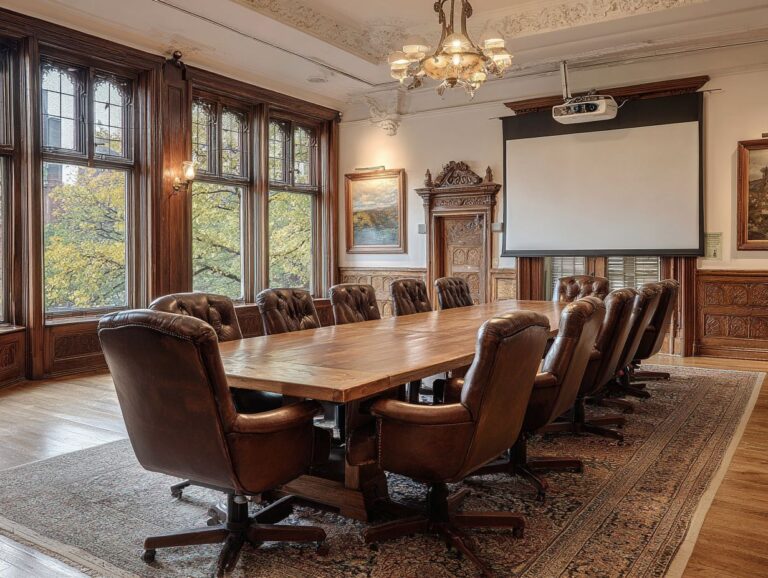
For instance, a half-day workshop may commence with a 30-minute icebreaker designed to foster rapport among attendees, followed by a 60-minute interactive session that focuses on effective communication techniques, incorporating role-playing scenarios.
Participants work in small groups to practice these techniques and receive immediate feedback, which significantly enhances their learning experience. The final segment could consist of a 30-minute debrief, allowing teams to reflect on their experiences and identify actionable strategies for improvement.
Past events have reported a remarkable 75% increase in participant engagement, underscoring the effectiveness of this workshop format.
Planning Your Event
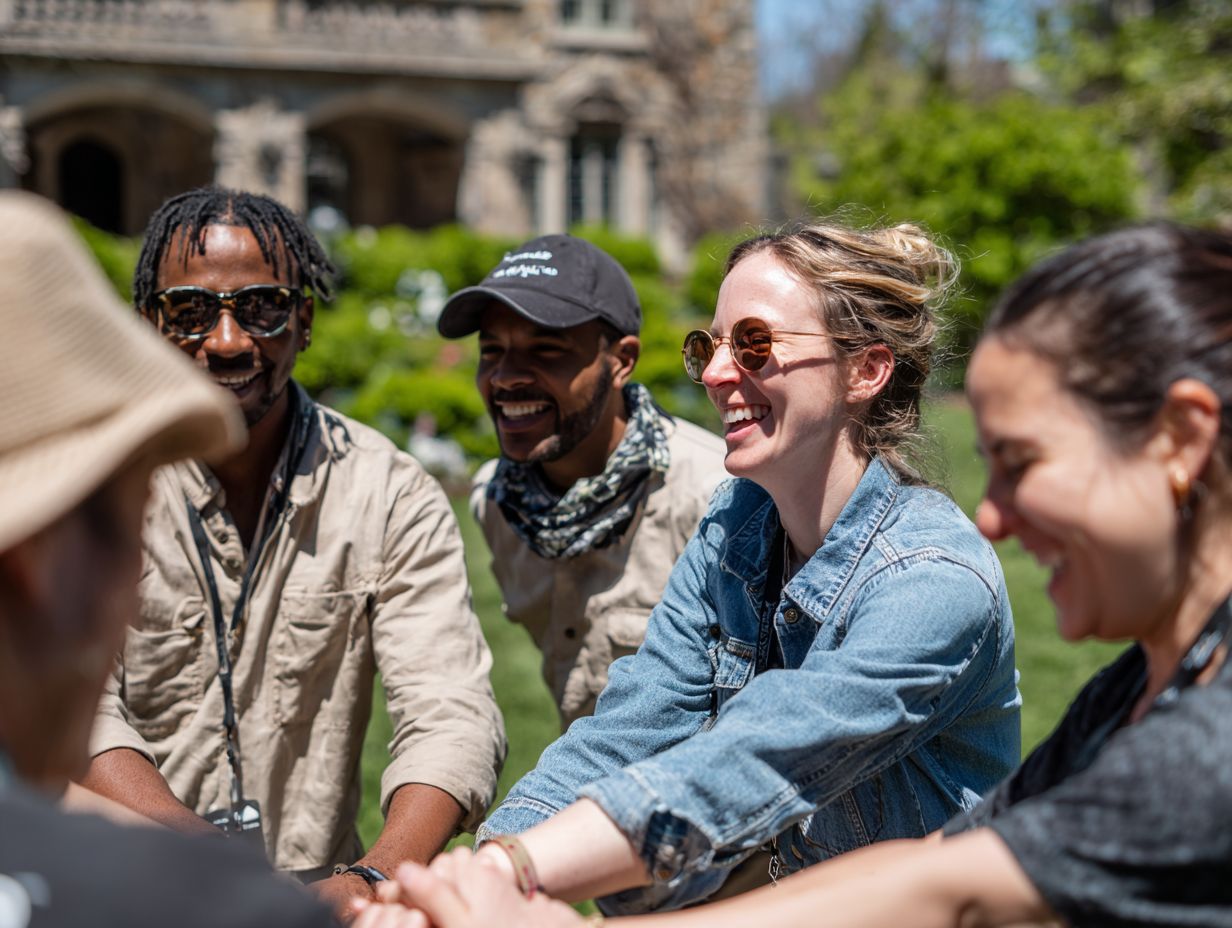
Effective planning of team-building events in historic venues requires careful selection of activities and a well-structured itinerary to enhance participant engagement.
Start by choosing a venue that aligns with your event objectives. For instance, a historic mansion may be ideal for a formal gathering, while an old factory repurposed as an event space could create a more relaxed atmosphere.
Utilizing platforms like Eventbrite can streamline the management of RSVPs and help you track attendance efficiently.
When designing the itinerary, it is beneficial to include engaging activities such as:
- Guided tours
- Team challenges
- Brainstorming sessions
Additionally, incorporating feedback sessions is crucial; tools like SurveyMonkey can assist in gathering insights after the event, which can be invaluable for refining future gatherings.
This thoughtful approach ensures that participants have a memorable experience that resonates with every team member.
Measuring Success
Measuring the success of team-building events is essential, and this can be accomplished by utilizing specific metrics, such as conducting pre- and post-event surveys to evaluate changes in employee morale.
To effectively measure outcomes, it is beneficial to leverage tools like SurveyMonkey to create customized surveys that assess team cohesion and overall satisfaction.
Key metrics to focus on include employee engagement scores, which can be tracked over time, along with feedback on particular activities. For example, participants could be asked to rate their experience on a scale from 1 to 10 and provide comments.
Following the event, it is important to compare pre-event engagement levels with post-event data to gauge the overall impact. Additionally, monitoring productivity rates within teams during the subsequent month can help assess any improvements in collaboration.
Frequently Asked Questions
What are some team building activities that work well for historic estate venues?
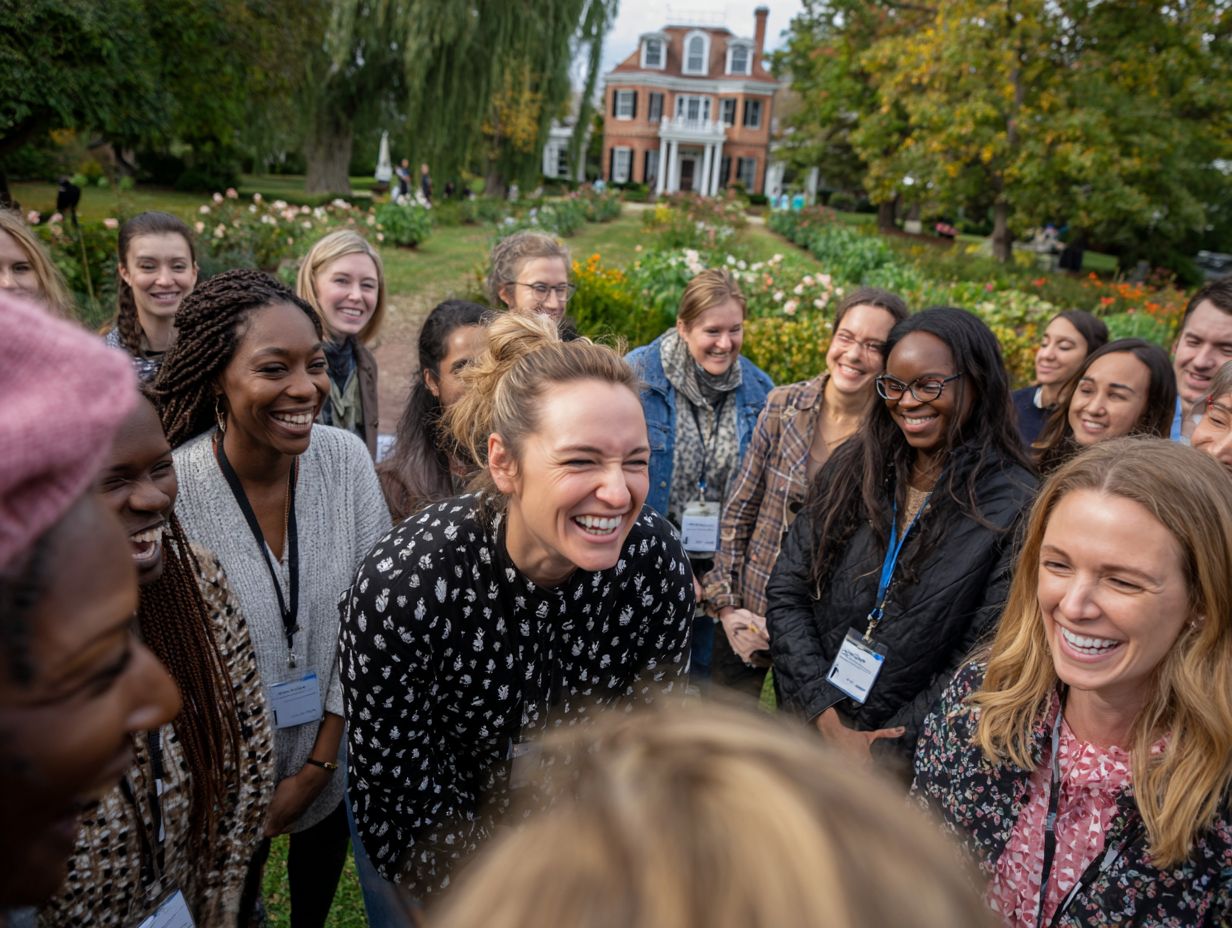
Some team building activities that work well for historic estate venues include scavenger hunts, escape rooms, outdoor obstacle courses, and historical tours.
Why are team building events important for a historic estate venue?
Team building events can help to foster a sense of camaraderie and teamwork among employees, while also allowing them to appreciate the unique history and setting of the estate.
Can team building events at historic estate venues be customized to fit the needs of my team?
Yes, many historic estate venues offer customizable team building events that can be tailored to fit the size, goals, and interests of your team.
What are some benefits of hosting a team building event at a historic estate venue?
Hosting a team building event at a historic estate venue can provide a change of scenery and promote creativity and problem-solving skills, while also offering a unique and memorable experience for your team.
Are there any team building activities that incorporate the history and culture of the estate?
Yes, some historic estate venues offer team building activities that incorporate the history and culture of the estate, such as reenactments, themed challenges, and traditional games.
How can I ensure that my team building event at a historic estate venue is successful?
To ensure a successful team building event at a historic estate venue, it is important to communicate clear goals and expectations, encourage participation and collaboration, and choose activities that are engaging and appropriate for your team.