Wedding Photography Secrets: What Pros Don’t Reveal
Your wedding day is a whirlwind of joy, but the right photographer can turn fleeting moments into lasting memories. Yet, there’s so much more to wedding photography than simply clicking a button. From understanding different styles and choosing the perfect photographer to managing your budget and what really happens on the big day, it’s a journey filled with surprises. Let’s peel back the curtain on wedding photography and explore what you truly need to know before saying “I do!”
Understanding Wedding Photography
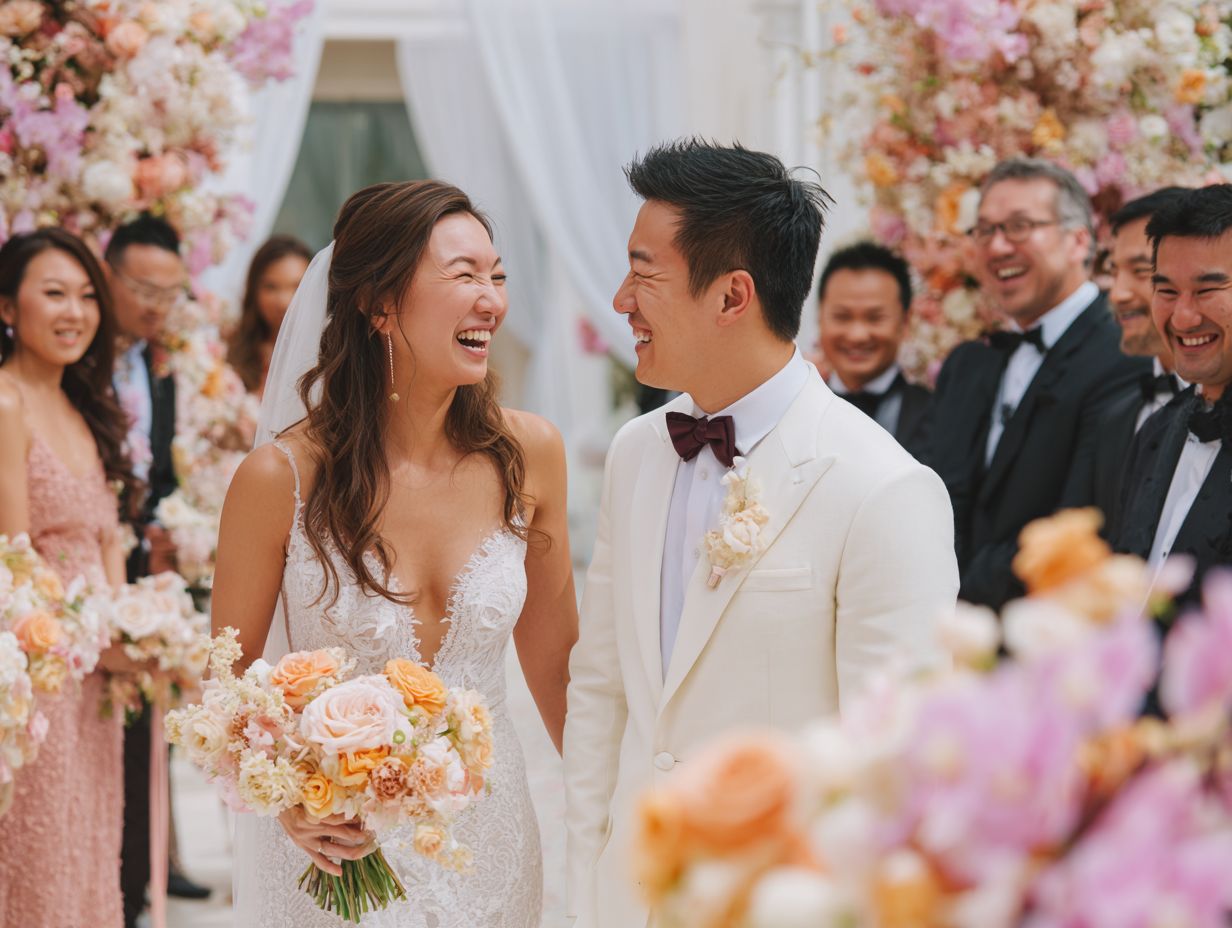
Wedding photography transcends the mere act of taking pictures; it is about capturing the essence of a couple’s unique story through a variety of styles and techniques. This genre includes both posed portraits and candid shots, ensuring that every emotion is thoughtfully documented.
For example, posed shots can beautifully highlight the couple’s love and commitment, often utilizing natural light to achieve that soft, romantic glow.
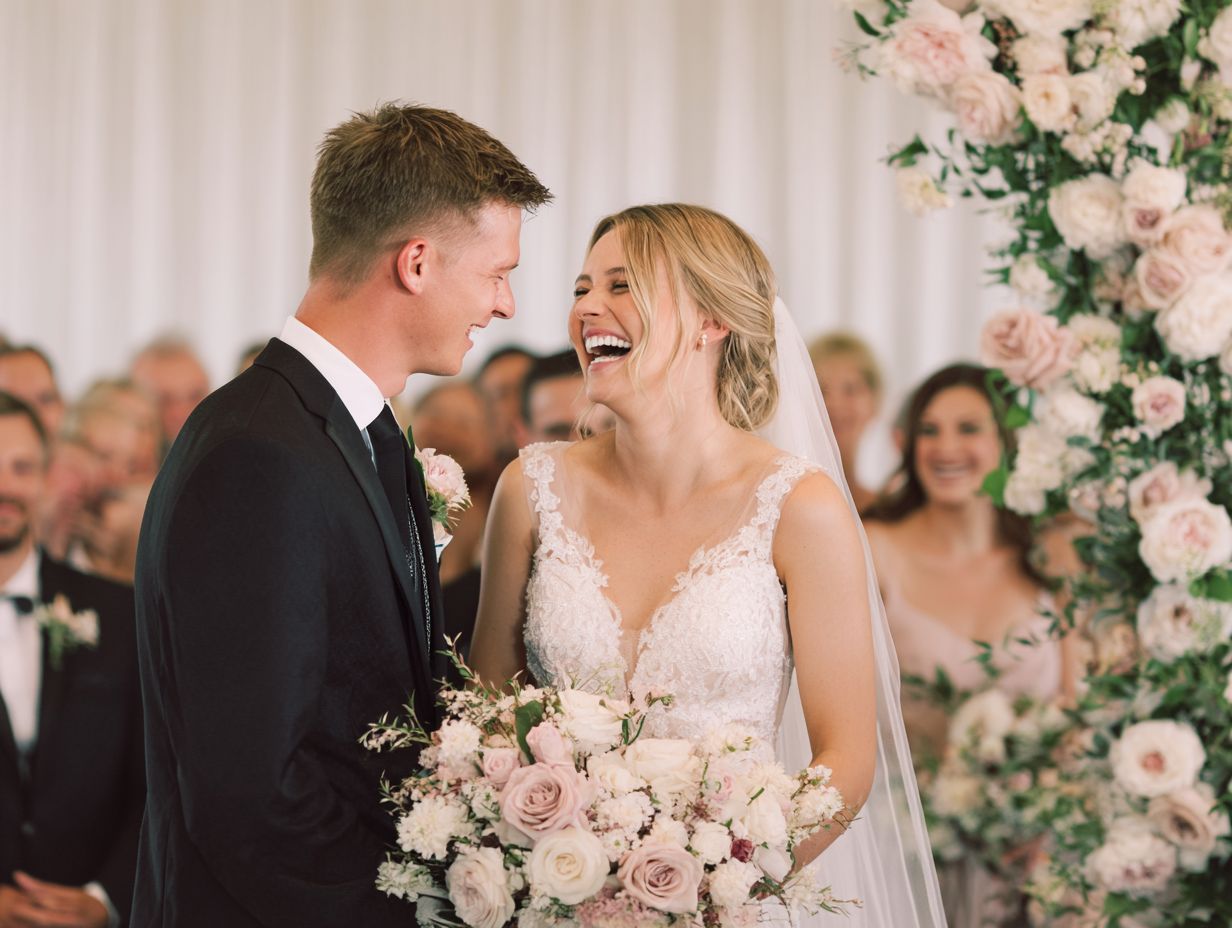
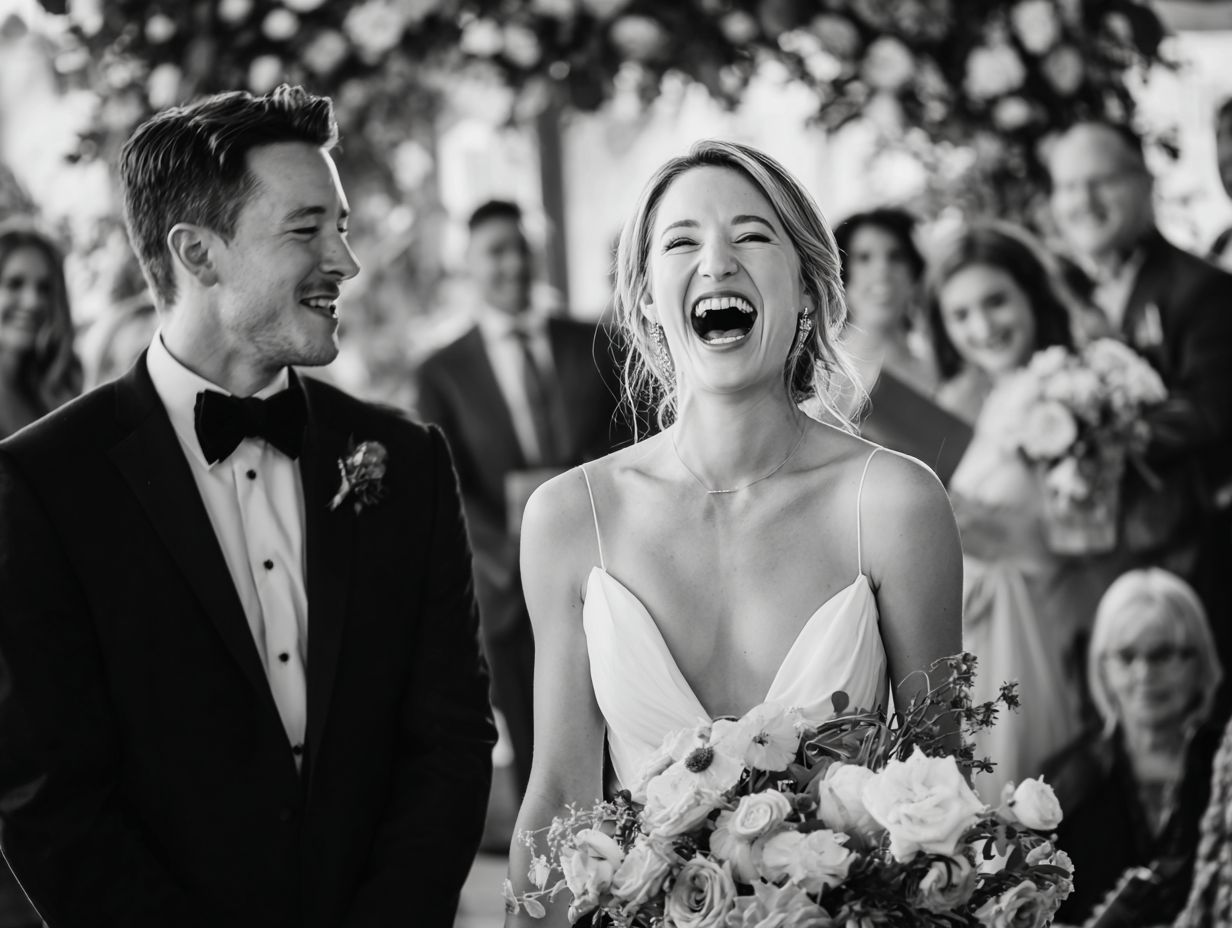
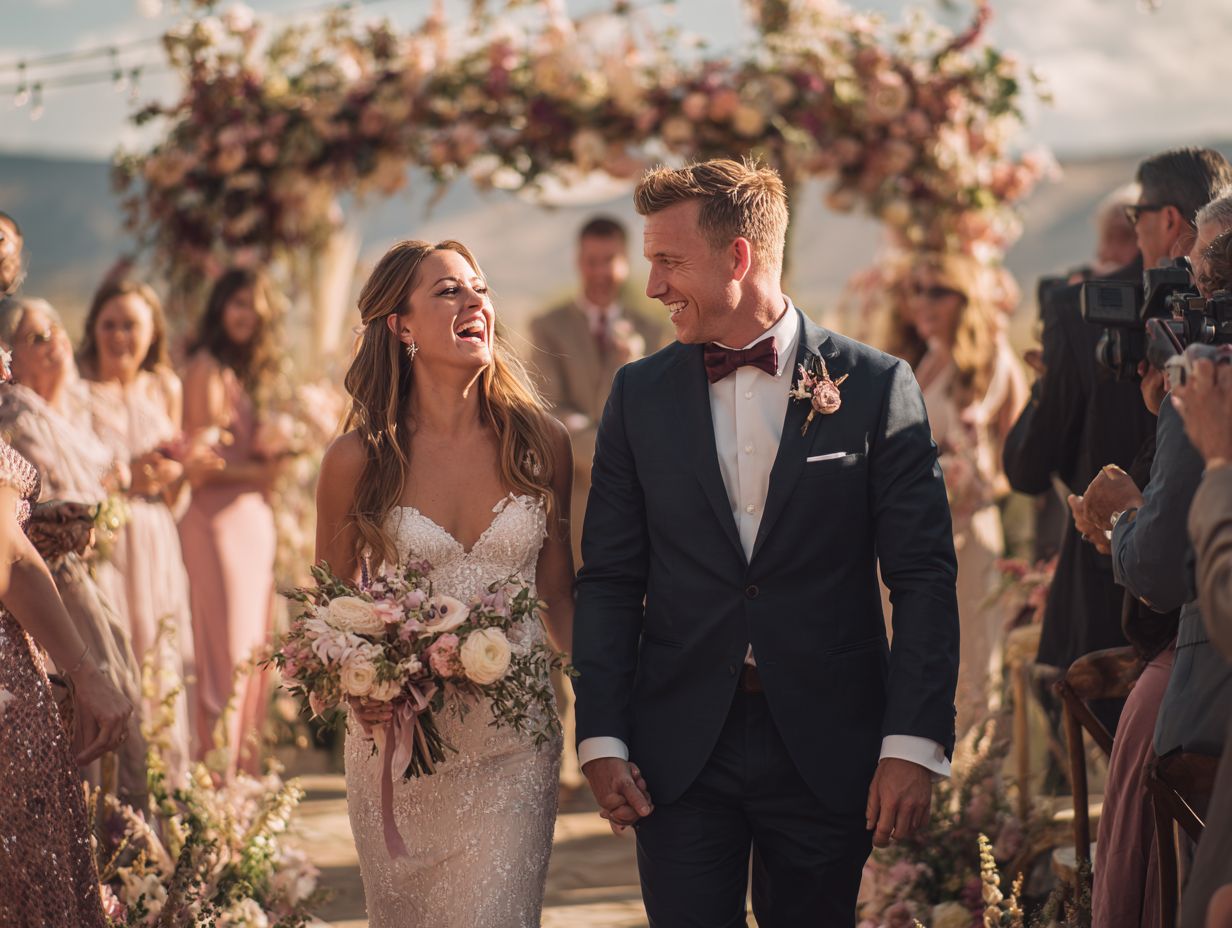
In contrast, candid photography captures genuine moments-such as the laughter shared during the reception or the tearful exchange of vows-that authentically reflect the joy of the day.
By blending these two approaches, photographers create a dynamic album that tells a rich narrative, celebrating love in all its forms.
Choosing the Right Photographer
Choosing the right photographer can significantly impact your wedding experience, necessitating a careful balance between artistic vision and personal connection. To ensure you find the right fit, begin by identifying the styles that resonate with you as a couple, whether that be traditional, photojournalistic, or fine art.
Take the time to browse through various portfolios, paying close attention to how emotions are captured in different lighting and settings. It’s also beneficial to schedule a consultation to discuss your vision, making sure to communicate your preferences and any specific shots you would like. This process not only allows the photographer to understand your needs more clearly but also helps to establish a rapport that can enhance your comfort on the big day.
Styles of Wedding Photography
Different photography styles cater to a variety of tastes, and within the industry, we can identify at least four primary types: traditional, photojournalistic, fine art, and portraiture.
Traditional photography is all about posed portraits, often seen at family gatherings and formal events. The packages for these services typically range from $200 to $2,000, depending on the photographer’s level of experience.
On the other hand, photojournalistic styles focus on capturing spontaneous moments as they occur, making them ideal for events such as weddings and reports. The pricing for this style generally falls between $1,500 and $4,000.
Fine art photography, meanwhile, emphasizes creativity and artistic expression, with project costs sometimes exceeding $3,000 for specialized works.
Lastly, portraiture centers on family dynamics or individual subjects, with session prices ranging from $100 to $500, offering clients various prints and digital formats to choose from.
Budgeting for Wedding Photography
Creating a realistic budget for wedding photography requires a clear understanding of the various pricing packages available, which typically range from $1,000 to $10,000 based on the photographer’s experience and the services offered.
Packages can generally be categorized into three tiers:
- The Basic package, costing around $1,000, usually includes a few hours of coverage along with a digital gallery.
- The Standard package, priced at approximately $3,000, offers enhanced coverage that typically includes an album and online proofs.
- The Premium package, starting at around $6,000, provides comprehensive all-day coverage, access to multiple photographers, and extensive editing services.
When planning your budget, it is essential to consider additional factors such as travel fees, engagement shoots, and prints, as these can significantly influence the overall cost.
What to Expect on the Big Day
Understanding the wedding day timeline is crucial for facilitating smooth coordination among the couple, their photographer, and various vendors.
A typical wedding day includes several key moments. It often begins with bridal preparation, which typically lasts around two hours. It is important to ensure that your photographer is present during this time to capture those candid, behind-the-scenes moments.
Next comes the first look, for which you should allocate approximately 30 minutes for an intimate reveal. The ceremony itself generally lasts about one hour, so it’s advisable to communicate any specific shots you desire in advance.
After the ceremony, it’s wise to budget around one hour for family portraits, making sure to clarify your must-have combinations beforehand. The reception usually spans about three hours, providing ample opportunities to capture memorable moments such as dancing and speeches.
Throughout the day, clear communication is essential for ensuring a seamless experience.
Timeline and Coordination
A well-structured timeline plays a crucial role in facilitating better coordination during the wedding day, ensuring that all essential moments are captured. To create a seamless wedding day experience, it is advisable to develop a detailed timeline that outlines key events.
Start by dividing the day into segments:
- Pre-ceremony preparation (3 hours)
- The ceremony itself (30 minutes)
- The reception (4-5 hours)
It is beneficial to schedule coordination meetings with vendors at least a week in advance to clarify timing. Utilizing tools like Google Calendar can help in sharing this timeline with your team, ensuring that everyone remains aligned.
Additionally, allocate specific times for important activities such as photos, speeches, and dinner to maintain a smooth flow throughout the day. Be prepared to make adjustments as needed to accommodate any changes that may arise.
Post-Wedding Considerations
After the wedding, the focus naturally shifts to the important tasks of editing, album design, and delivering those cherished memories, each of which deserves careful consideration.
Typically, the editing process takes about 4 to 6 weeks. During this time, software such as Adobe Lightroom plays a crucial role in enhancing your photos. It’s essential to pay close attention to details like color correction, cropping, and exposure adjustments to ensure that each image beautifully captures the essence of your special day.
Regarding album design, think about layout options that will best showcase your unique story. For instance, grid layouts offer a timeless appearance, while full-page spreads can effectively highlight significant moments.
Also, consider how you would like to share these memories. Digital albums through platforms like Pixieset provide an easy way to view your photos, while printed albums can serve as a tangible keepsake for family members.
Each of these steps plays a vital role in ensuring that your memories are preserved in an artistic and meaningful way.
Common Misconceptions
Many couples often harbor misconceptions about wedding photography, which can lead to unrealistic expectations and potential disappointment.
One prevalent myth is that all photographers share the same shooting style. In truth, each photographer has a distinct approach, ranging from posed portraits to spontaneous candid moments. Therefore, it is essential to examine portfolios to identify a style that resonates with your preferences.
Another misconception is the belief that a shot list is unnecessary. Engaging in a discussion with your photographer about key moments can help ensure that nothing significant is overlooked, especially during the hustle and bustle of a wedding day.
Additionally, some couples may think that more hours of coverage will result in better photos. However, it is often the case that quality takes precedence over quantity. It is important to focus on selecting the right photographer who aligns with your vision and can authentically capture the essence of your special day.
Frequently Asked Questions
What No One Tells You About Wedding Photography: Can you explain the difference between digital and film photography?
Regarding wedding photography, there are two main types: digital and film. Digital photography uses electronic sensors to capture and store images, while film photography uses chemical reactions on light-sensitive film. Digital photography is typically more popular and convenient, while film photography can offer a more vintage and artistic feel to your photos.
What No One Tells You About Wedding Photography: How much time should I set aside for wedding photos?
It’s important to allocate enough time for wedding photos, as they are a crucial part of capturing your special day. Make sure to plan at least 1-2 hours for formal portraits and another 1-2 hours for candid shots. This will ensure enough time for multiple locations and group shots without feeling rushed.
What No One Tells You About Wedding Photography: Do I need to provide a shot list for my photographer?
While it can be helpful to give your photographer a list of must-have shots, it’s not necessary. A seasoned professional will have a good understanding of what photos to capture and will also have their own creative ideas. It’s important to trust your photographer and give them the freedom to capture your day in their unique style.
What No One Tells You About Wedding Photography: How can I ensure my photos are high quality?
To ensure high-quality wedding photos, make sure to hire a professional photographer who has experience in wedding photography. You should also schedule an engagement shoot beforehand to get comfortable with your photographer and discuss any specific preferences. Finally, make sure to communicate clearly with your photographer about any specific shots you want or any potential issues, such as lighting or weather.
What No One Tells You About Wedding Photography: Do I need a second shooter?
Having a second shooter can be beneficial, especially for larger weddings. They can capture different angles, candid moments, and details while the main photographer is focused on the couple. It’s also helpful to have a backup photographer in case of any unexpected emergencies.
What No One Tells You About Wedding Photography: What should I do if I am camera-shy?
If you’re feeling nervous about being in front of the camera, don’t worry, it’s completely normal. A good photographer will make you feel comfortable and guide you through poses and expressions. It’s also helpful to schedule an engagement shoot beforehand to get used to being in front of the camera. Remember to relax and enjoy your special day, and your natural emotions will shine through in the photos.