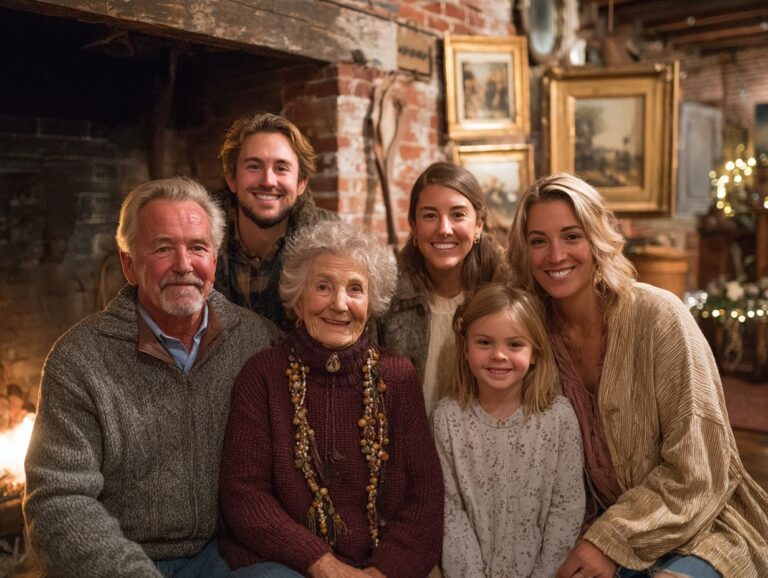
Celebrate Life: Historic Venues for Honoring Loved Ones
Imagine gathering with loved ones in a venue steeped in history, where every corner whispers stories of the past. Celebration of Life services are evolving into heartfelt tributes that go beyond traditional farewells, embracing unique historic settings. These venues not only create a special atmosphere but also connect us to our heritage. From personalized touches to memorable stories, discover how to honor your loved ones in a way that truly reflects their legacy. Ready to explore?
Importance of Historic Settings
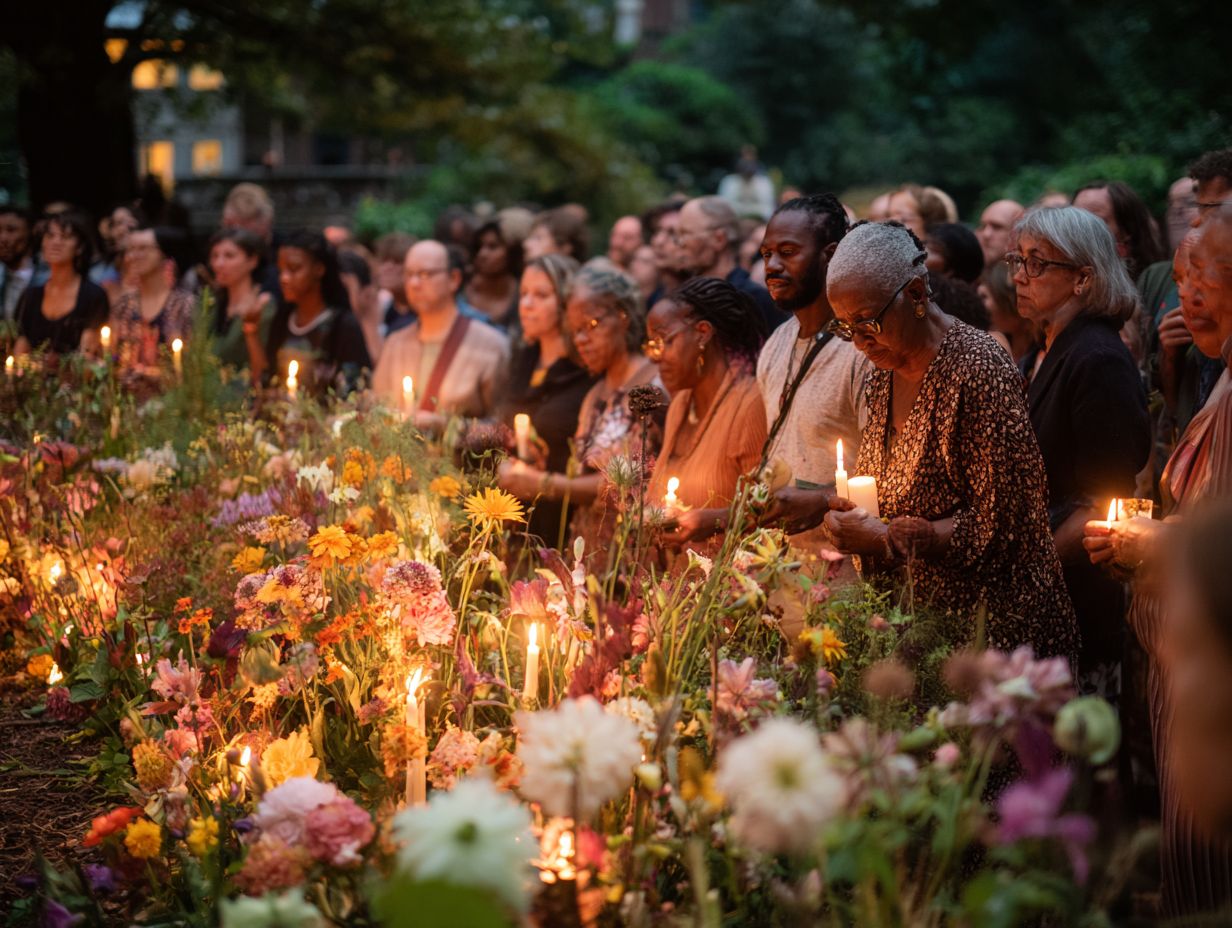
Historic settings add significant depth and context to Celebration of Life services, turning personal tributes into meaningful shared experiences for the community.
Creating a Unique Atmosphere
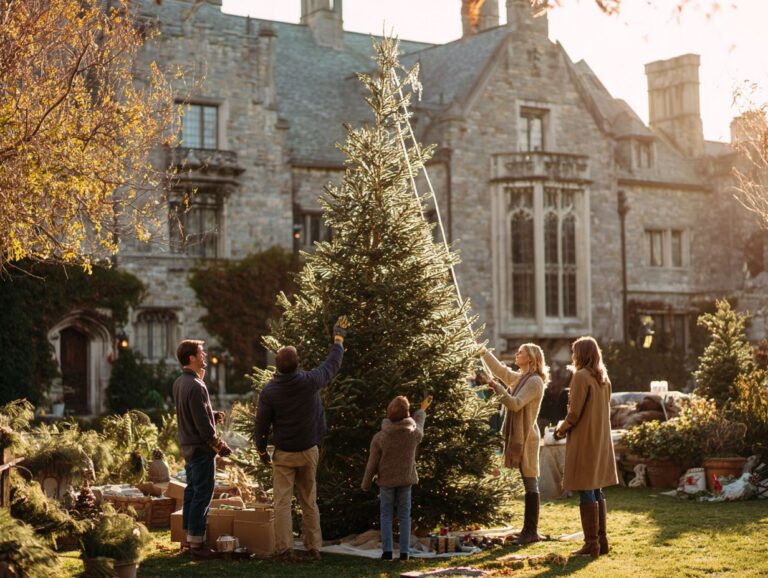
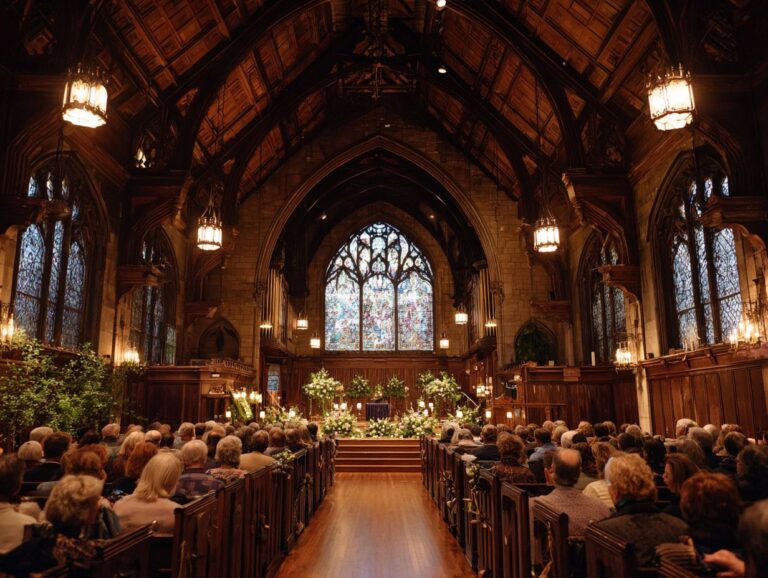
Utilizing historic venues, such as old churches or heritage sites, can create a rich and unique ambiance that truly resonates with attendees, making the service memorable. These locations often boast stunning architecture, including intricate stained glass and exposed beams, which significantly enhances the overall aesthetic experience.
For instance, holding a wedding in a restored Victorian church not only offers a visually captivating backdrop but also carries historical significance that can add emotional depth to the occasion. The inherent acoustics of these spaces can elevate music performances to new heights.
Many couples have expressed that their ceremonies in historic sites felt intimate and timeless, creating lifelong memories that are often absent in standard venues.
Connection to Heritage
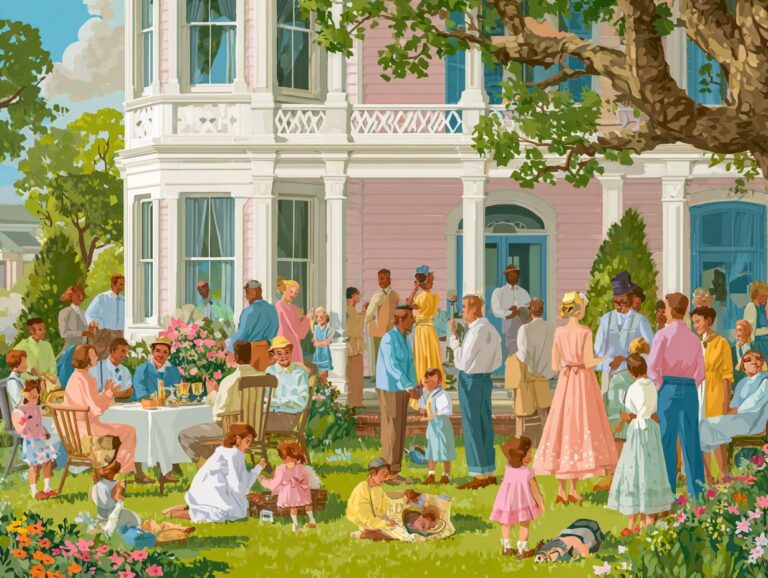
Celebrating a life in a historic setting serves not only to honor the individual but also to connect families to their cultural and historical roots. Choosing a venue that reflects one’s heritage can incorporate meaningful traditions into the service.
For example, a family with Irish roots might select a setting adorned with Celtic decorations and feature traditional music during the tribute.
Alternatively, incorporating cultural rituals, such as a memory-sharing circle or folklore storytelling, can actively engage attendees and foster a sense of connection. Collaborating with local heritage organizations can provide valuable guidance on specific customs and suitable venues, enhancing the overall tribute.
This approach not only personalizes the service but also strengthens the sense of belonging and shared history among those in attendance.
Planning the Service
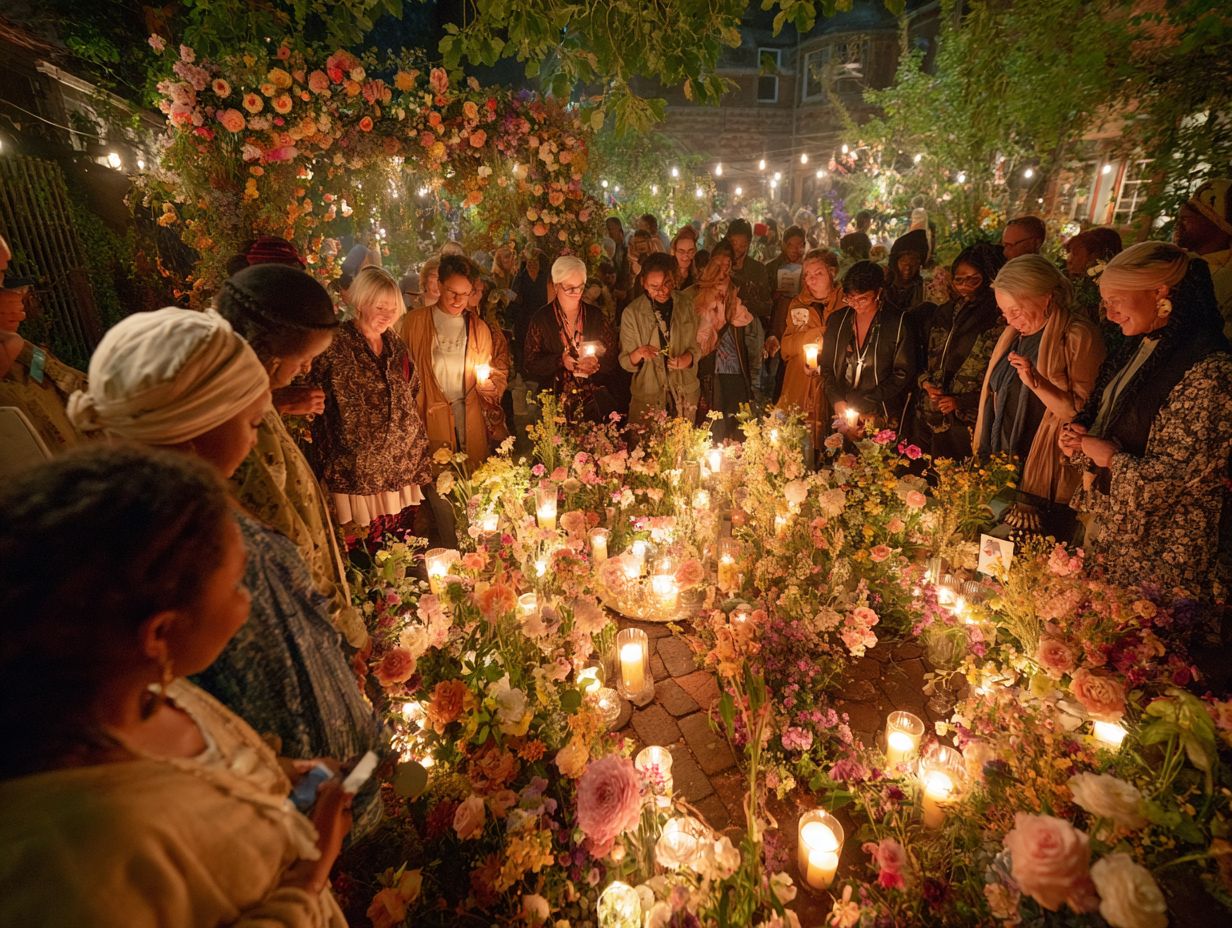
Effective planning is essential for a successful Celebration of Life service, as it ensures that every detail reflects the wishes of both the deceased and their family. It is advisable to begin planning at least 6-8 weeks in advance.
Start by creating a budget that covers important aspects such as venue rental, catering, and transportation. Next, compile a guest list, making sure to reach out to family and friends for their contributions or memories they would like to share.
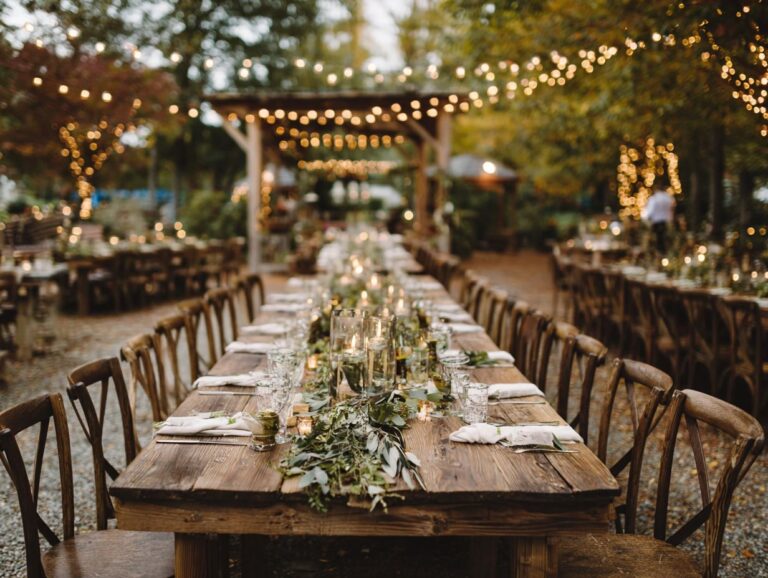
Choosing a meaningful venue is also important; options can range from a serene garden to a comfortable community hall. Additionally, coordinating logistics, including seating arrangements and sound equipment for speeches or music, is crucial.
By taking this comprehensive approach, you can foster an atmosphere of remembrance that truly honors the life that was lived.
Personalization Options
Personalization plays a crucial role in creating a meaningful Celebration of Life. It provides families with the opportunity to highlight the unique stories and characteristics of their loved ones, making the event truly special and reflective of their lives.
Incorporating Memories and Stories
Incorporating personal stories and memories into the service can foster a profound connection among attendees, making the experience considerably more memorable.
One effective approach is to create a memory wall, where guests can post photos and notes about the deceased. This practice not only honors the individual but also cultivates a sense of community among those present.
Sharing eulogies or personal anecdotes during the service offers intimate insights that allow others to relate on a deeper level. Additionally, utilizing multimedia presentations-including video clips or slideshow montages-can evoke emotions and capture cherished moments.
These methods serve not only to honor the individual’s legacy but also encourage attendees to reflect on their own experiences and connections.
Examples of Historic Venues
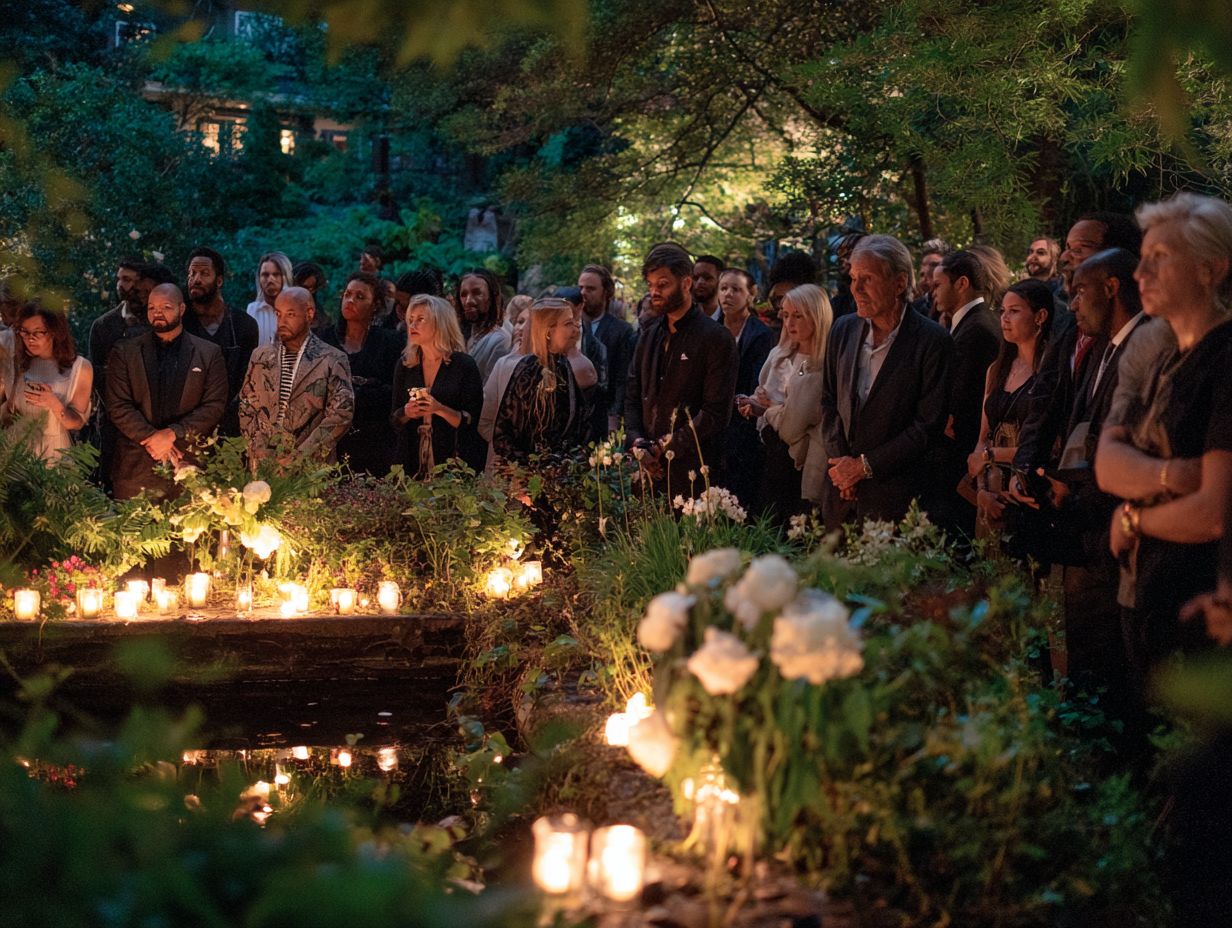
Historic venues present a variety of options for Celebration of Life services, each offering a distinctive backdrop for remembrance. Here are five historic venues that are worth considering:
- The Vault at The 40/40 Club (New York, NY): This upscale club accommodates up to 200 guests. Its private setting has been utilized for past services, creating an intimate atmosphere ideal for gatherings of loved ones.
- The Old Courthouse (St. Louis, MO): With a capacity of 300, this venue is celebrated for its stunning architecture and its historical significance within the city.
- The Henry Ford Museum (Dearborn, MI): Seating up to 400 guests, this venue immerses attendees in the rich history of American innovation.
- The Winchester Mystery House (San Jose, CA): Known for its unique and labyrinthine design, this venue can host up to 100 guests and is filled with poignant stories.
- The Crystal Ballroom (Portland, OR): This beautifully restored venue accommodates up to 350 guests, making it an excellent choice for grand celebrations.
When selecting a venue, it is essential to consider factors such as capacity, ambiance, and historical significance, as these elements can greatly influence the tone of the event.
Frequently Asked Questions
What are Celebration of Life Services?
Celebration of Life Services are ceremonies and events held to honor and remember a loved one who has passed away. These services are meant to celebrate the life and legacy of the deceased in a meaningful way.
Why choose a historic setting for a Celebration of Life Service?
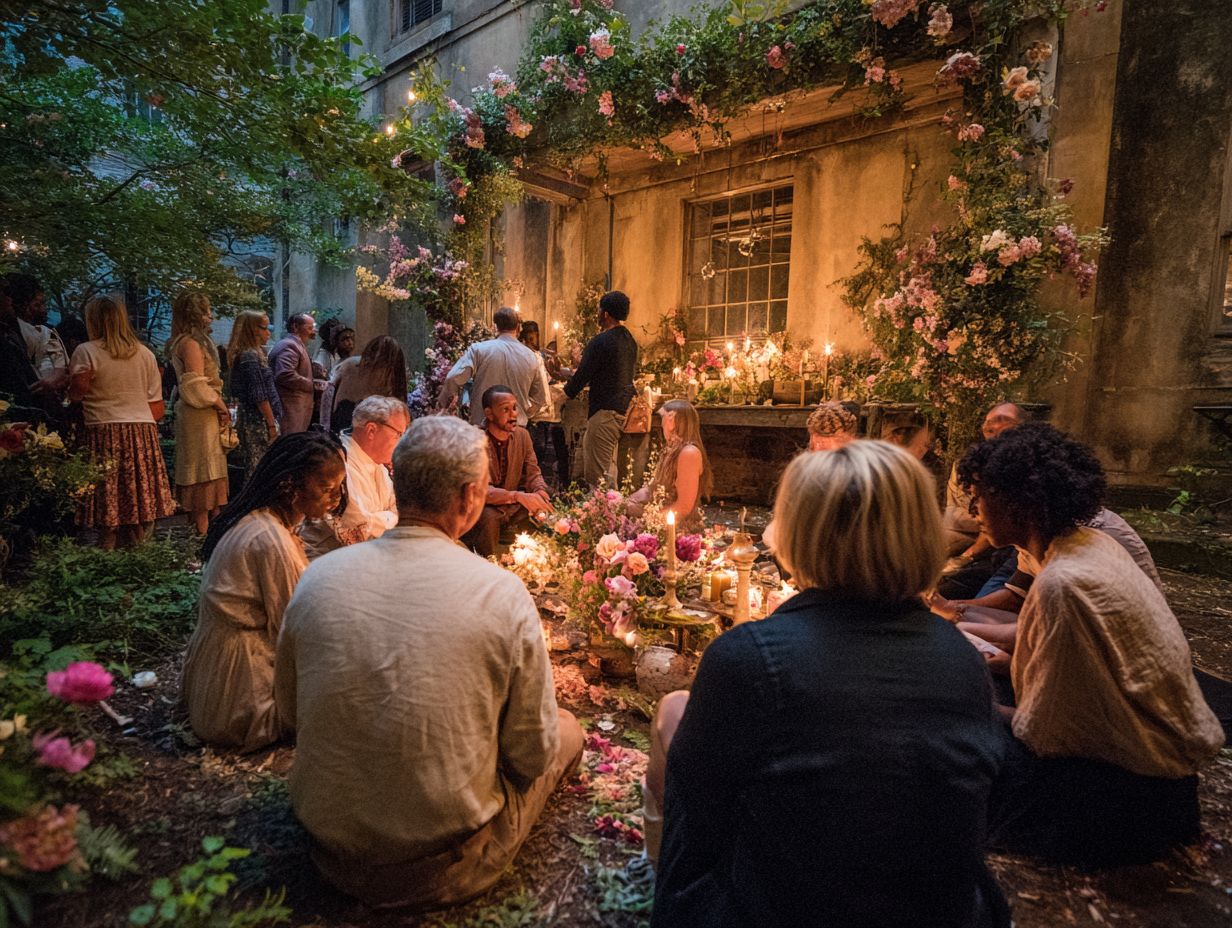
Historic settings offer a unique and special atmosphere for honoring and remembering loved ones. These settings often hold significant meaning and can add a sense of reverence and nostalgia to the service.
What types of historic settings are suitable for Celebration of Life Services?
There are a variety of historic settings that can be used for Celebration of Life Services, such as old churches, historic homes, museums, and even outdoor spaces like parks or gardens. The choice of setting will depend on personal preferences and the availability of the location.
Can a Celebration of Life Service be customized?
Yes, a Celebration of Life Service can be personalized and tailored to reflect the life and personality of the loved one being honored. This can include incorporating their favorite music, hobbies, and memories into the service.
Do I have to plan a Celebration of Life Service on my own?
No, there are professionals who specialize in planning and organizing Celebration of Life Services. They can assist with all aspects of the event, from selecting a location to creating a meaningful program. Family and friends can also work together to plan and coordinate the service.
What is the purpose of a Celebration of Life Service?
The purpose of a Celebration of Life Service is to provide a way to say goodbye to a loved one in a positive and meaningful manner. It can also serve as a way to come together as a community to support and honor the family and friends of the deceased.