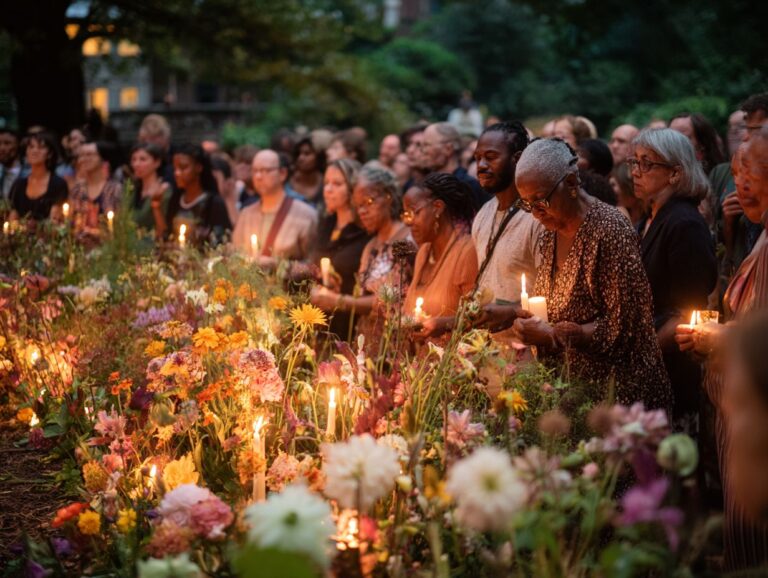
Family Reunion Planning: Uniting Generations at Historic Venues
Picture this: laughter echoing through the halls of a historic venue, generations of family coming together, sharing stories, and creating new memories. Family reunions are more than just gatherings; they’re an opportunity to strengthen bonds and celebrate history. From choosing the perfect venue to engaging activities that appeal to all ages, planning a successful reunion requires thought and creativity. Join us as we explore how to bring your family together in a meaningful way!
Choosing the Right Historic Venue

Choosing a historic venue for a family reunion can provide a distinctive experience, enhancing the event’s memorability while catering to a variety of preferences for space and amenities.
Factors to Consider
When selecting a venue, it is important to consider several key factors. First, ensure that the space can accommodate your estimated number of attendees, ideally with a capacity that is 25% larger than your estimate. Accessibility is also crucial, as the venue should be suitable for guests of all ages. Additionally, consider the available amenities, such as catering and parking options.
For example, historical venues like the Getty Villa in California can accommodate over 100 guests and offer wheelchair access.
Be sure to check for essential amenities, including:
- Audiovisual equipment for presentations,
- Nearby restrooms for convenience,
- On-site catering options to streamline logistics.
It is advisable to prioritize venues with flexible layouts, allowing you to customize the space according to your event’s requirements. This approach will help create a comfortable atmosphere for all attendees while ensuring logistical efficiency.
Creating a Reunion Planning Committee
Establishing a planning committee is a crucial step in ensuring equitable responsibility, which ultimately leads to a more organized and successful reunion. It is advisable to aim for a group of 5 to 7 dedicated members who possess a variety of skills.
In a well-functioning planning committee, it is important for roles to be clearly defined. For example, the coordinator oversees overall logistics and timelines, while the budget manager is responsible for tracking expenses and funding. An activity planner focuses on designing engaging events and ensuring inclusivity.
This diverse skill set not only enhances the quality of the reunion but also distributes the workload effectively, thereby minimizing stress for all involved.
Encouraging regular communication and feedback among committee members is essential for fostering collaboration. This approach makes the entire planning process smoother and more enjoyable for everyone.
Budgeting for the Event
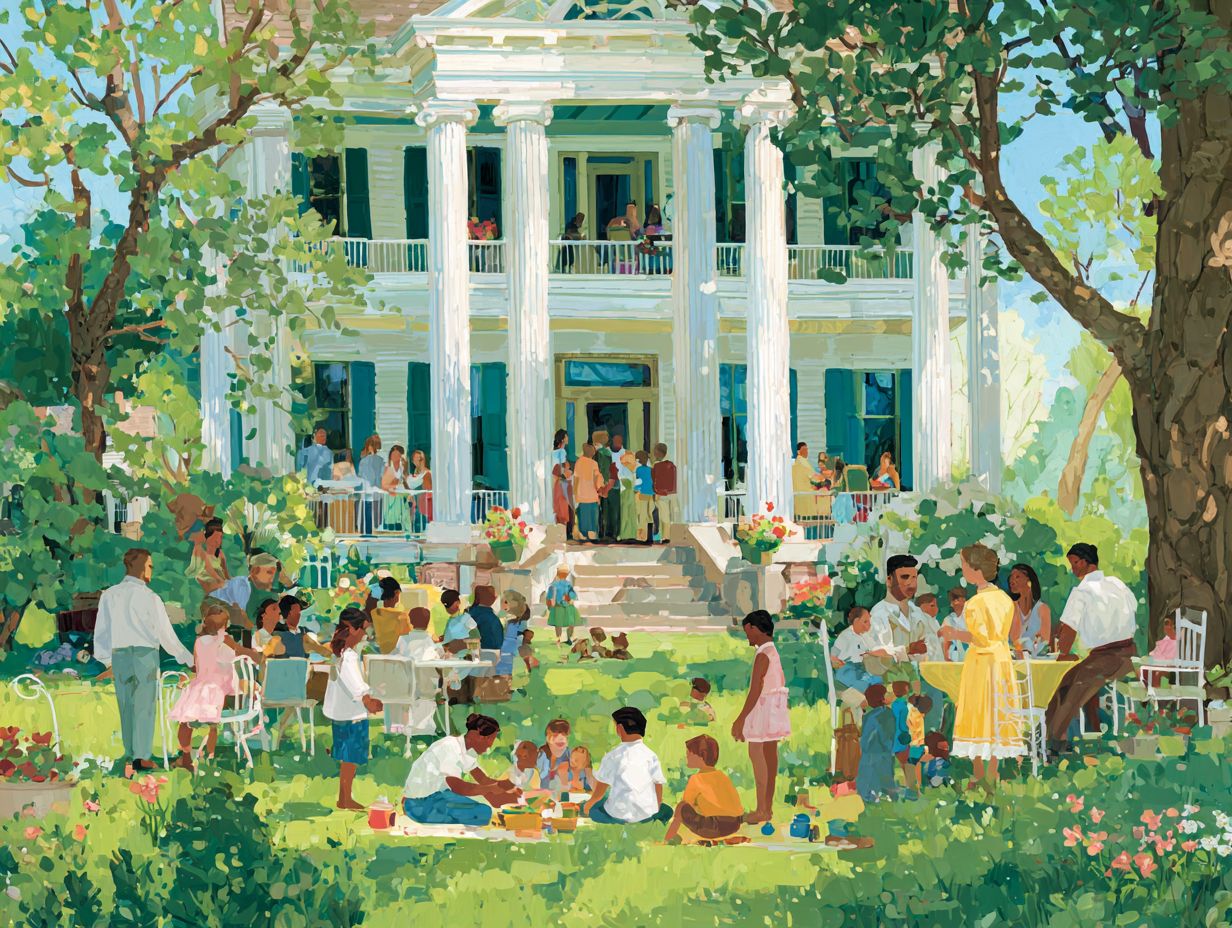
Creating a detailed budget is essential for a successful family reunion. Costs can vary significantly, typically ranging from $1,000 to $5,000, depending on factors such as location, catering choices, and planned activities.
Funding Options and Contributions
It is advisable to explore various funding options for your reunion, such as family contributions, crowdfunding through platforms like GoFundMe, or securing local sponsorships to cover the associated costs.
Family contributions present a straightforward approach; you might suggest that each member contributes between $50 and $100 to enhance the budget.
For crowdfunding, it is important to establish a target amount based on your estimated expenses and then share your campaign link via social media to engage a broader audience.
Additionally, partnering with local businesses can create sponsorship opportunities, where you offer them advertising space in exchange for financial support.
For instance, the Smith family successfully funded their reunion by collecting $75 from each relative while also raising $1,500 through a GoFundMe campaign, which they actively promoted on Facebook.
Activities to Engage All Generations
Incorporating activities that engage all generations during a family reunion is key to fostering connection and strengthening familial bonds. There are many entertaining options to consider, from interactive storytelling to group games.
For a truly memorable experience, organizing family trivia games that highlight fun facts about family members can prompt laughter and facilitate connections. Hosting storytelling sessions where each participant shares a cherished memory or amusing anecdote allows everyone to feel included and valued.
For those looking for more active engagement, outdoor sports such as relay races or frisbee provide excitement and encourage teamwork.
To wrap up the reunion on a high note, consider organizing a talent show where family members can showcase their unique skills-be it singing, dancing, or comedy. This not only encourages participation but also highlights the diverse talents within the family.
Communicating with Family Members
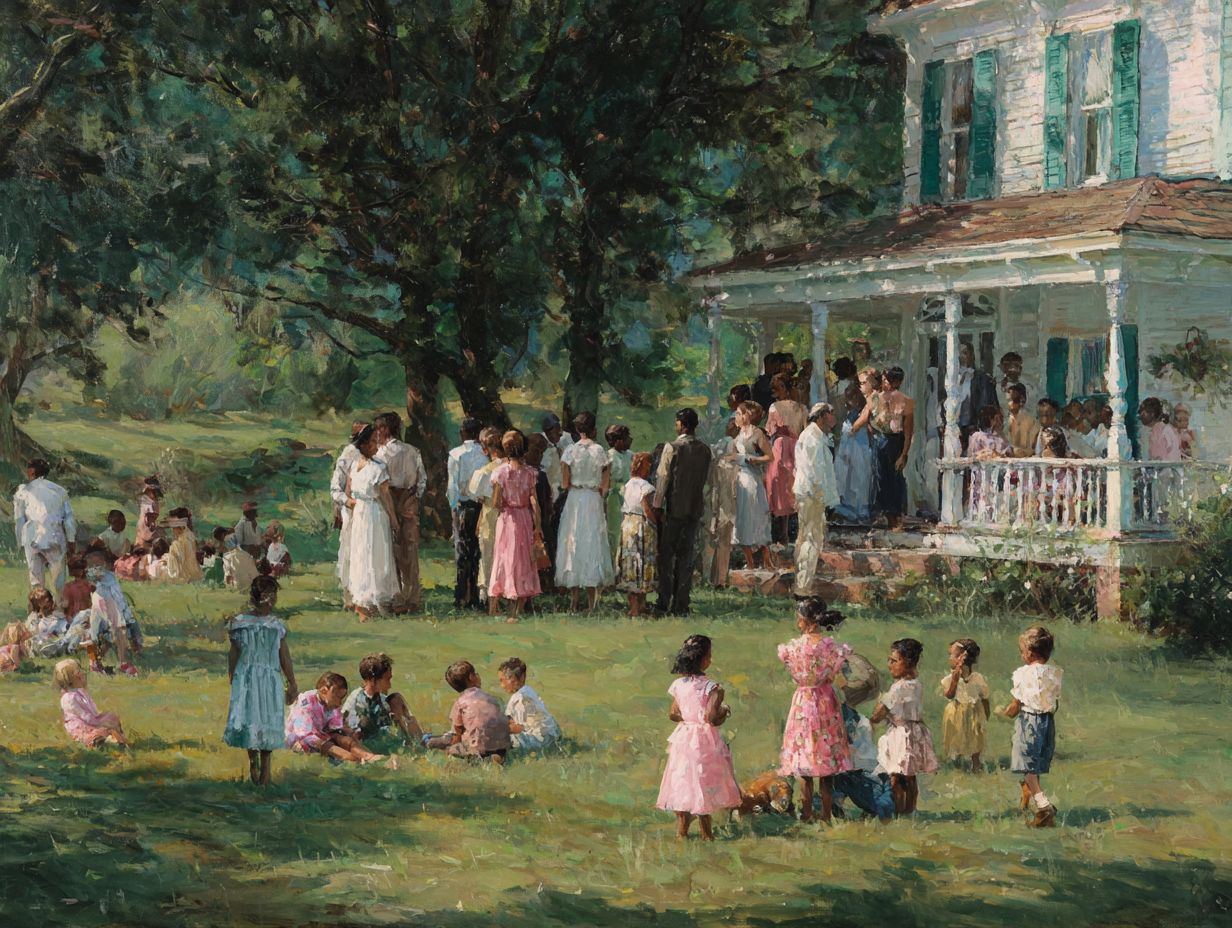
Effective communication plays a crucial role in keeping all family members informed and engaged throughout the planning process. Utilizing tools such as WhatsApp and email newsletters can significantly enhance this interaction.
To foster engagement, consider establishing a dedicated WhatsApp group for instant updates and encouraging real-time discussions among family members. For more detailed information, email newsletters via platforms like Mailchimp can be quite beneficial, as they allow for audience segmentation and personalized messaging.
Additionally, simplifying RSVP management can be achieved by creating a Google Form. This tool efficiently tracks responses and centralizes input, making it easier to gauge attendance and plan effectively.
Frequently Asked Questions
What are some benefits of having a family reunion at a historic venue?
A family reunion at a historic venue can provide a unique and memorable experience for all generations. It allows everyone to learn about and connect with their family’s history and can create a sense of pride and belonging. Additionally, historic venues often offer beautiful and picturesque backdrops for family photos.
What are some tips for choosing the right historic venue for a family reunion?
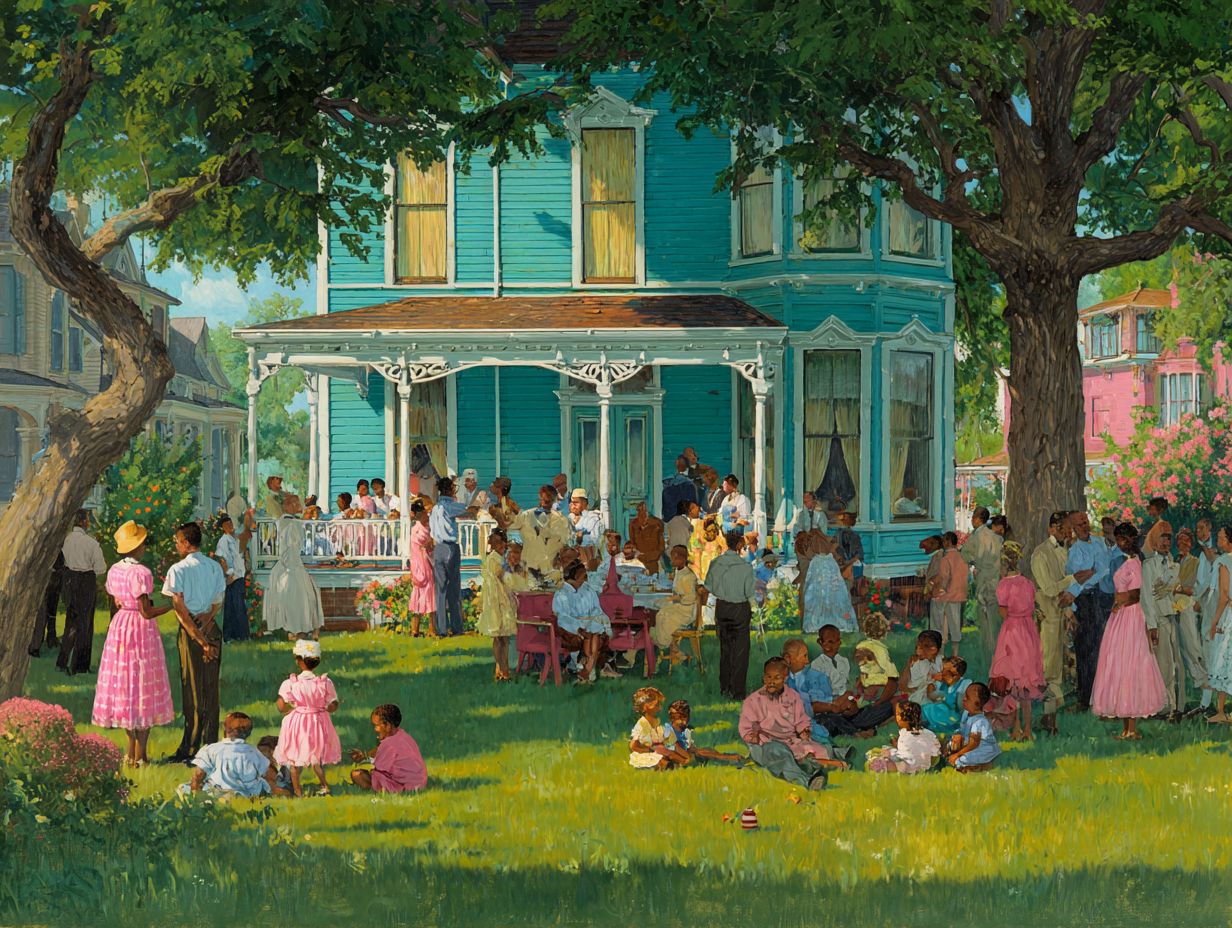
When choosing a historic venue for a family reunion, consider the size and layout of the venue to ensure it can accommodate your entire family. It’s also important to look into the venue’s amenities and activities available, as well as its accessibility for all family members. Research the history and significance of the venue to make sure it aligns with your family’s interests and values.
How can a historic venue cater to different ages and interests within the family?
Many historic venues offer a variety of activities and experiences that can cater to different ages and interests within the family. For example, some venues may offer guided tours for older family members, while also providing playgrounds or mini-golf for younger ones. It’s best to research the venue’s offerings and plan a schedule that accommodates everyone.
Is it necessary to have a strict schedule for a family reunion at a historic venue?
While having a schedule can help keep things organized, it’s also important to leave room for spontaneity and flexibility. A family reunion at a historic venue should be a fun and relaxed experience, so don’t be afraid to deviate from the schedule and enjoy the moment. However, it’s still a good idea to plan some key activities or events to ensure everyone has a good time.
How can I involve family members in the planning process for a reunion at a historic venue?
Involving family members in the planning process can not only help ease the workload, but it can also make the reunion more meaningful and personal for everyone. Consider creating a planning committee or assigning specific tasks to different family members. This way, everyone can contribute their ideas and skills to make the reunion a success.
What should I keep in mind when planning a family reunion at a historic venue?
When planning a family reunion at a historic venue, it’s important to keep in mind the needs and preferences of all family members. This includes dietary restrictions, accessibility, and any cultural or religious traditions. It’s also a good idea to have a backup plan in case of inclement weather or any unexpected changes. Most importantly, remember to have fun and enjoy the experience of bringing generations together at a historic venue.