Why Historic Settings Enhance Memorial Services’ Healing Power
Choosing the right place for a memorial service can transform a somber occasion into a deeply meaningful experience. When set in historic locations, these gatherings not only honor loved ones but also evoke a sense of connection to the past. From majestic churches to serene gardens, the setting plays a crucial role in the healing process. Let’s explore how these locations impact our emotions and discover inspiring case studies that highlight their power.
The Importance of Location
The choice of location for a memorial service plays a significant role in shaping the emotional experience. Certain settings have the ability to enhance the processes of healing and remembrance, making it essential to consider the environment carefully.
Psychological Impact of Historic Settings
Historic settings, such as ancient churches or heritage parks, evoke a sense of continuity and connection, offering a soothing backdrop for remembrance. Research indicates that 70% of attendees report feeling more connected to the deceased in culturally significant spaces.
Selecting a historic venue not only enriches the emotional experience but also cultivates a profound atmosphere that encourages the sharing of memories.
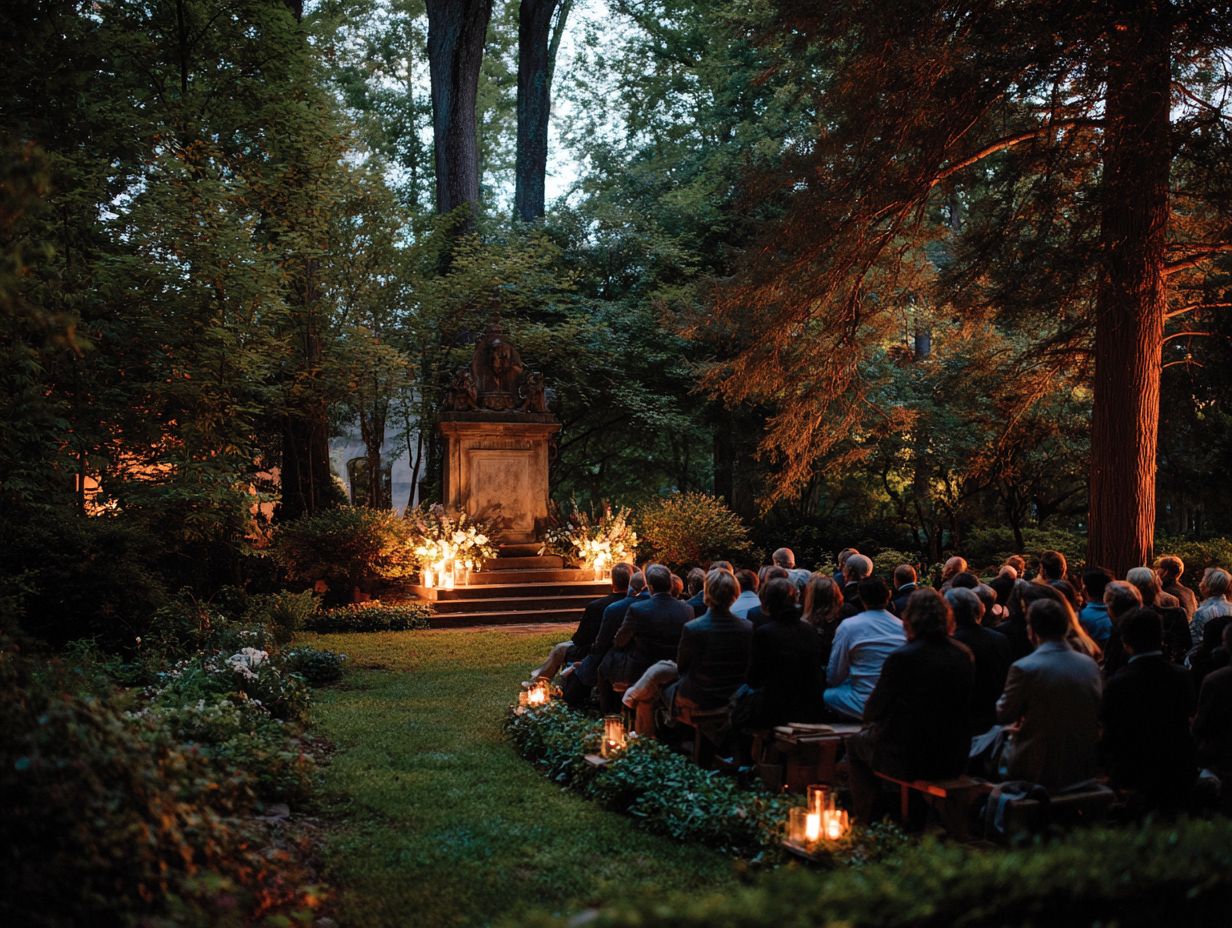
For example, hosting a service in a centuries-old chapel or a peaceful garden can inspire community engagement and create a memorable tribute. Additionally, incorporating elements like traditional music or meaningful readings within these settings can further enhance the connection for attendees, fostering a supportive environment conducive to healing.
Types of Historic Locations
Numerous historic locations provide exceptional settings for memorial services, with each venue offering its own unique emotional and reflective qualities.
Churches and Cathedrals
Churches and cathedrals offer a sacred environment that promotes reflection and spiritual connection, making them favored venues for memorial services.
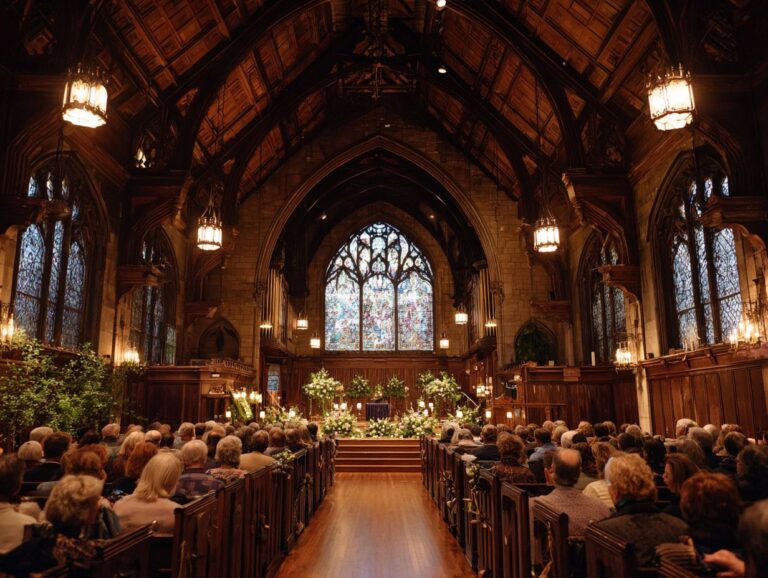
Many, such as St. Patrick’s Cathedral in New York, feature majestic, soaring architecture that inspires awe and can accommodate large gatherings of over 2,000 attendees. This grandeur is beautifully complemented by the serene atmosphere created by stained glass windows and intricate woodwork.
Spaces like the National Cathedral in Washington, D.C., provide dedicated chapels for smaller, more intimate services. Utilizing these sacred sites can significantly enhance the memorial experience, fostering a profound sense of peace and community during a time of mourning.
Historic Gardens and Parks
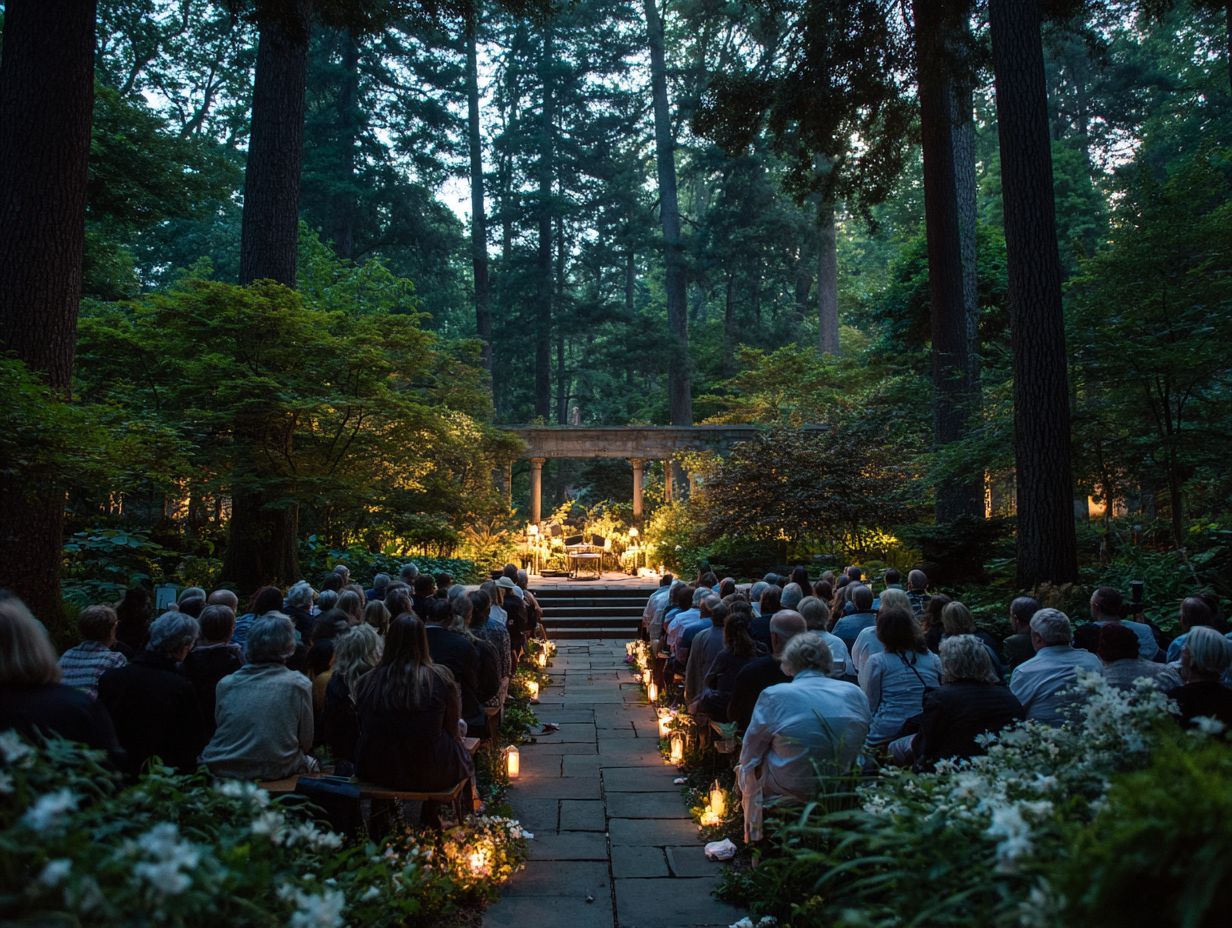
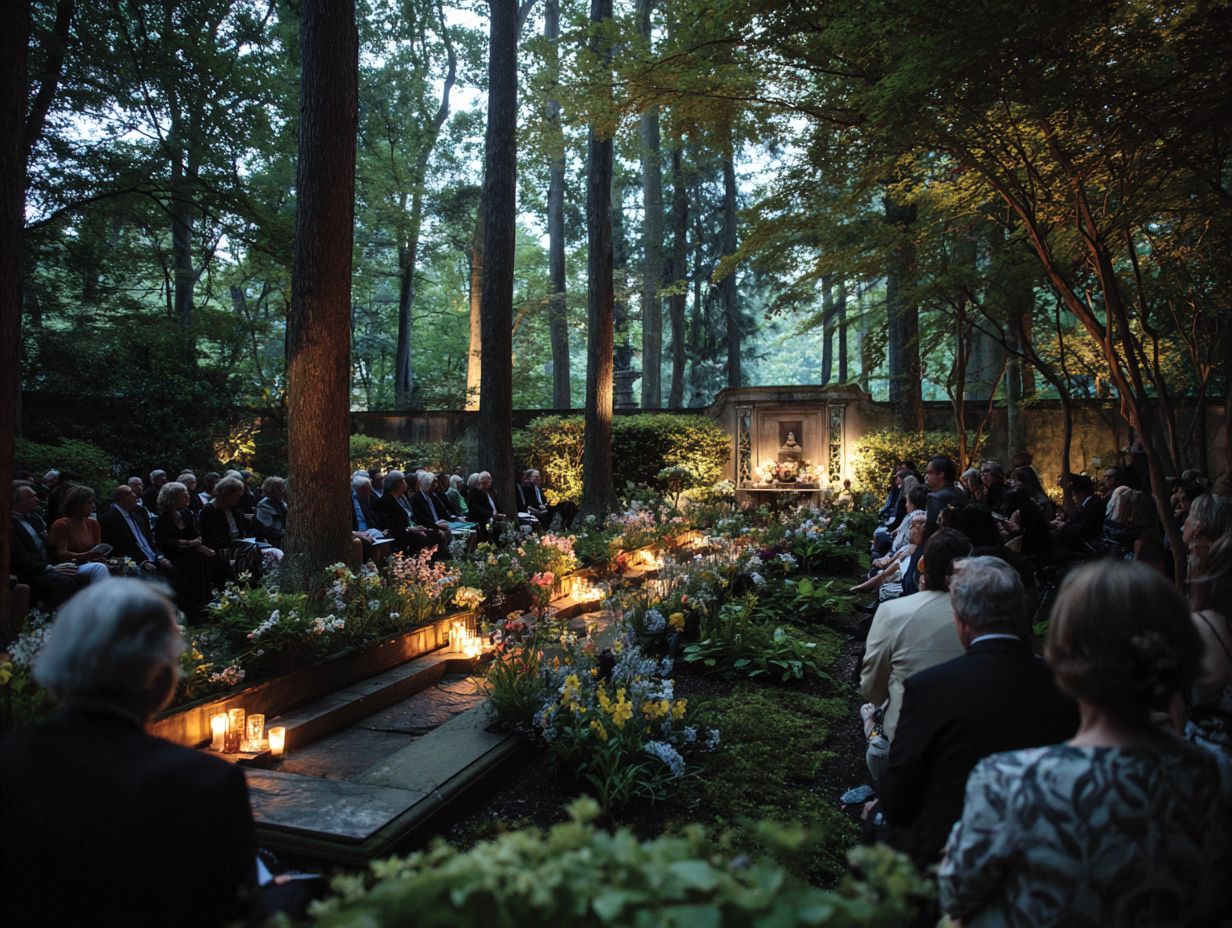
Historic gardens and parks provide tranquil settings that encourage healing through nature, creating a peaceful atmosphere for memorial gatherings. For instance, locations like the Brooklyn Botanic Garden offer a serene backdrop, where the vibrant colors of blooming flowers and the gentle rustling of leaves can help soothe grieving hearts.
The natural beauty of the Cherry Esplanade fosters a contemplative atmosphere, making it an ideal space for reflection and remembrance. By incorporating elements such as personalized floral arrangements or guided meditation sessions within these environments, emotional wellness can be enhanced, allowing attendees to connect with nature while honoring their loved ones.
Hosting memorial services outdoors can significantly reduce stress, supporting the healing process and promoting a sense of community among those in mourning.
Case Studies: Successful Memorials
Examining successful memorials offers valuable insights into how location and planning can significantly enhance the grieving process for families.
One poignant example is the waterfront memorial service held at the Rose Garden in San Francisco. Here, families gathered among the blooming flowers, sharing personal stories that fostered a strong sense of community and healing.
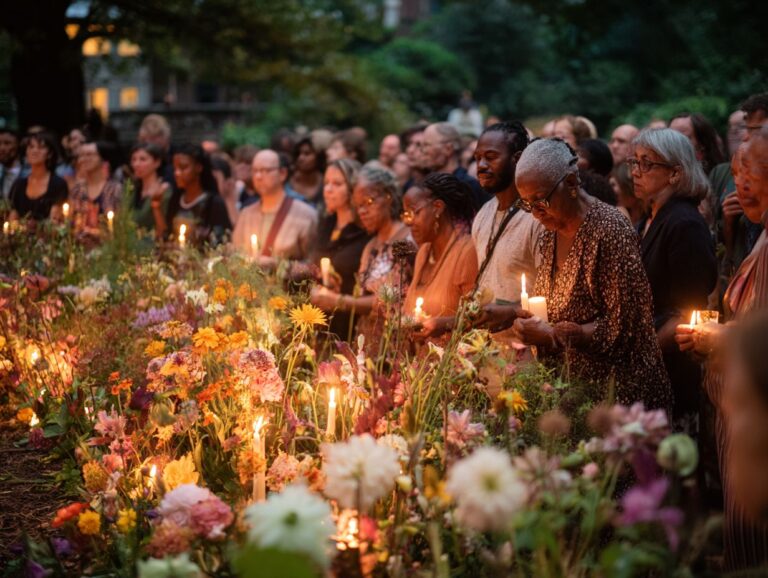
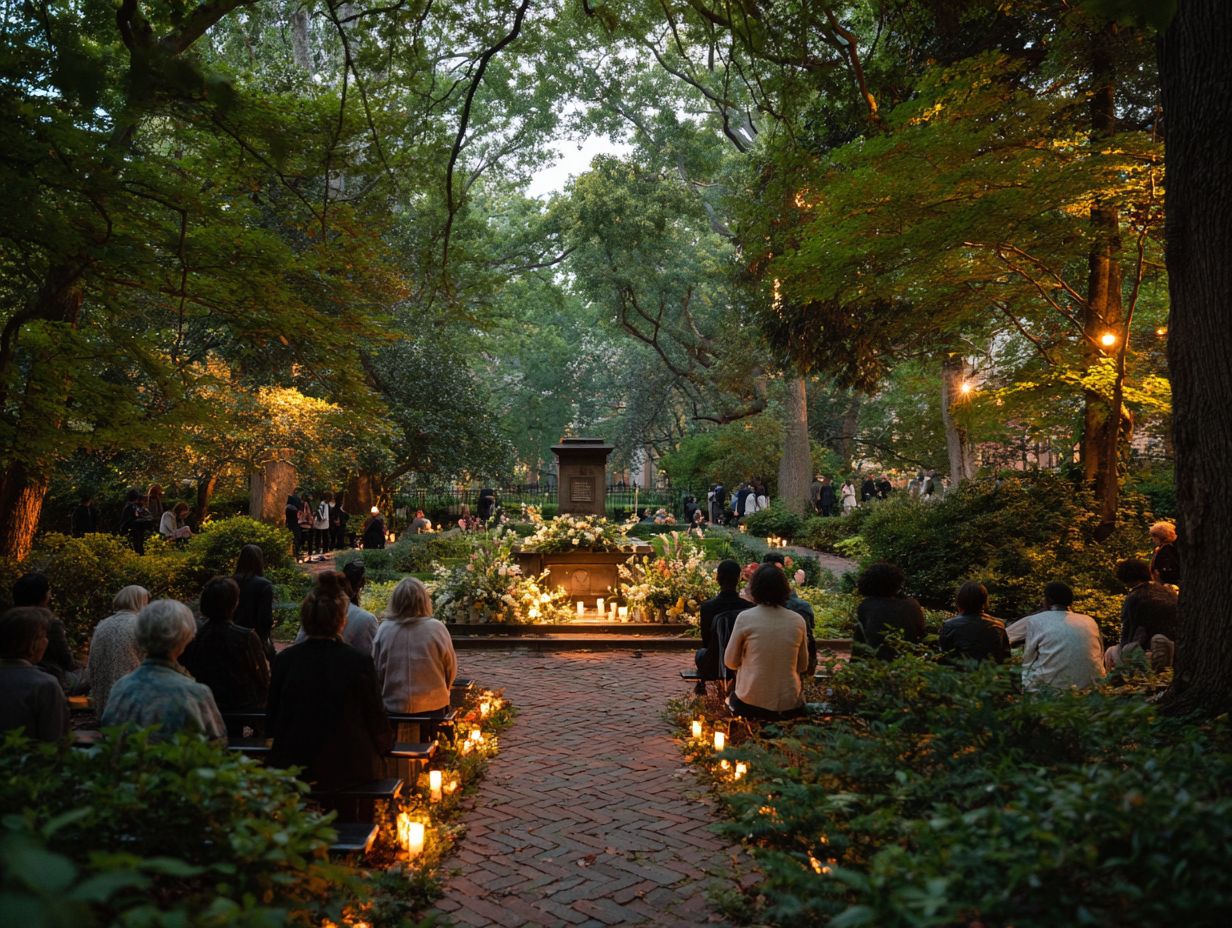
Another impactful case took place during a candlelight vigil at a local park in Boston, where attendees not only remembered their loved ones but also participated in art and music activities, promoting connections among participants.
Feedback from these events underscored the emotional relief and solidarity experienced by those in attendance, demonstrating how thoughtfully chosen locations can greatly enrich the collective grieving experience.
Frequently Asked Questions
What are the benefits of holding a memorial service in a historic setting?
A memorial service in a historic setting can add a sense of significance and reverence to the event. It can also provide a unique and memorable experience for attendees.
How does the location of a memorial service impact the healing process?
The right location can help create a peaceful and reflective atmosphere, which can aid in the healing process for those in attendance. It can also add a sense of connection to the past, providing comfort and closure.
Are there any specific historic settings that are particularly suitable for memorial services?
While any historic location can add a special touch to a memorial service, places with a strong cultural or personal significance to the deceased can make the event even more meaningful and healing for attendees.
Is it appropriate to hold a memorial service in a historic setting for someone who did not have a personal connection to that location?
Yes, a memorial service in a historic setting can still provide a unique and meaningful experience for attendees. The location itself can serve as a symbol of remembrance and honor for the deceased.
Can a historic setting also offer practical benefits for a memorial service?
Yes, many historic locations may have facilities and amenities that can accommodate a large gathering, making it a practical and convenient choice for a memorial service.
How can I find the right historic setting for a memorial service?
Start by researching local historic locations and their availability for events. You can also consult with a funeral home or event planner who may have experience in organizing memorial services in historic settings.